Dog Training Mistakes to Avoid: A Clear Fix-It Guide
By:Author:Raising Dog Editorial
Updated on:October 20, 2026
- Why Do Dog Training Mistakes Undo Good Progress?
- Fixing Timing Errors or Fixing Inconsistent Cues: Which First
- Why Slowing Down Beats Pushing Through a Stuck Skill
- Adjusting These Mistakes for Puppies, Busy Owners and Older Dogs
- Fitting These Fixes Into an Already Busy Week
- The Myth of the One-Session Correction
- Avoiding These Dog Training Mistakes With Raising Dog's Lesson Plans
- Getting a Stalled Routine Back on Track
The most common dog training mistakes come down to timing, consistency and expecting too much too fast - not a lack of effort. Fix the mechanics and most dogs pick things up without any extra pressure.
Dogs learn by association. If a reward or correction lands even a second or two late, the dog links it to whatever it's doing at that moment, not what it did before.
This article walks through the mistakes that trip people up most, why the slower fix actually works faster, and how to adjust an approach that's stalled.
Why Do Dog Training Mistakes Undo Good Progress?
A mistake doesn't erase what a dog has learned, but it does slow down how fast that learning sticks.
Say a dog gets rewarded for sitting nine times out of ten, but the tenth time the reward comes a few seconds late, after it's already stood back up. The dog starts linking the treat to standing, not sitting, and the behaviour gets muddier instead of clearer.
Run that ten-rep pattern across a week of three sessions a day, and a handful of mistimed rewards can mean dozens of confusing repetitions before anyone notices progress has flattened.
That's the honest arithmetic: it's not that training fails, it's that inconsistent timing adds noise the dog has to filter out before the real lesson lands.
Fixing Timing Errors or Fixing Inconsistent Cues: Which First
Most owners juggling a stalled routine have to pick a starting point, so here's how two of the biggest culprits stack up against each other.
| Mistake | What It Does | The Fix |
|---|---|---|
| Late rewards | Rewards wrong behaviour | Mark the instant, pay after |
| Changing cue words | Dog can't predict ask | Pick one word, stick with it |
| Too many commands at once | Overload, slow response | One skill per session |
| Punishing after the fact | Dog links fear to owner | Interrupt in the moment only |
| Skipping short sessions | Skills fade between reps | Short daily practice over long gaps |
Timing errors are usually the faster fix - a marker word or clicker sorts that out within a session or two. Inconsistent cues take longer to unwind because the dog has already built habits around the confusion.
Why Slowing Down Beats Pushing Through a Stuck Skill
When a dog stalls on a skill, the instinct is to repeat the same command louder or more often. That's the harder route, and it rarely works because the dog isn't being defiant, it's being unclear on what's being asked.
The easier route is breaking the skill into a smaller step and rebuilding from there. A dog that won't lie down on cue from standing, for example, usually will lie down from a sit, which means the fix is adding a stepping stone, not more repetition of the same failing ask.
Pushing through without adjusting the difficulty tends to produce a dog that avoids the cue altogether. Backing up a step and rebuilding confidence takes a little longer up front but holds up far better once the dog is reliable.
Adjusting These Mistakes for Puppies, Busy Owners and Older Dogs
New Puppies
Puppies get tripped up most by sessions that run too long, since their attention tends to drift fast. Keep sessions short and end on something the puppy already does well, rather than fighting for one more rep.
Busy Owners
The biggest mistake for a full schedule is treating training as an all-or-nothing block of time. A few minutes attached to something already happening - before meals, before walks - avoids the gap where skills fade.
Older Dogs
With an older dog, the common mistake is assuming new habits won't take because old ones are set. Older dogs still learn, they just need the same skill broken into smaller steps and practised over more sessions rather than fewer.
Multi-Dog Households
Training more than one dog at once tends to blur commands, since each dog ends up reacting to the other's cues instead of its own name. Training separately for the first few sessions before combining them clears that up.
Fitting These Fixes Into an Already Busy Week
None of this needs a set-aside hour. Most of these mistakes get fixed by adjusting what's already happening - timing a reward better, picking one word and sticking with it, keeping a session to a few minutes.
The harder part is remembering which fix applies when, especially across a week where the dog's age, mood and energy all shift. This is where having lessons tailored to a dog's age and unique needs saves a lot of guesswork - Raising Dog lays out what to work on and when, so the plan adjusts instead of the owner having to figure it out from scratch each time.
The Myth of the One-Session Correction
A lot of people expect one firm correction or one great session to permanently fix a habit. It doesn't work that way, and no honest training approach claims it does.
Behaviour change happens through repetition and consistency over sessions, not a single standout moment. A dog that stops jumping for one afternoon after a correction will usually go right back to it the next day if the follow-up practice doesn't continue.
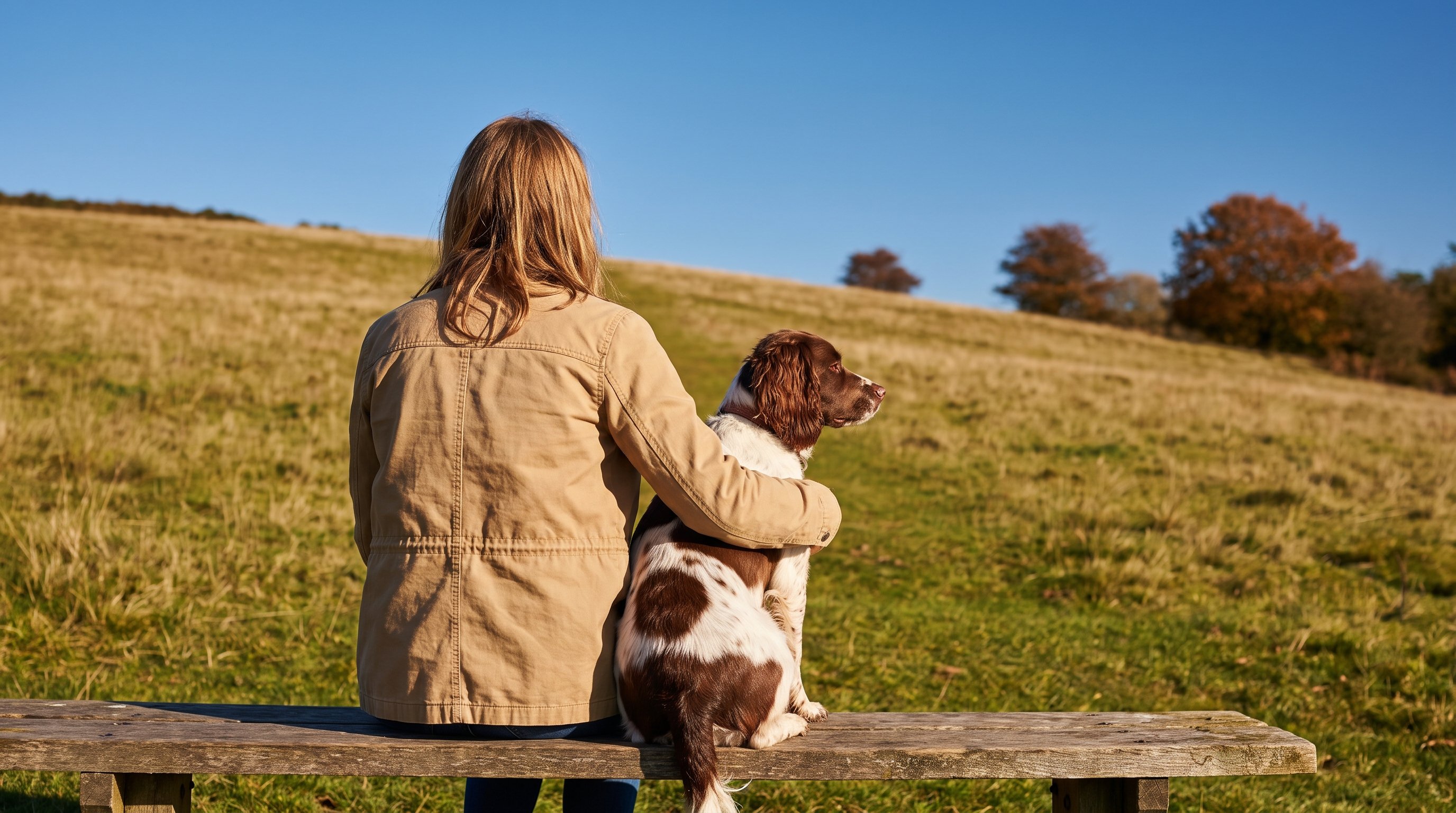
The real answer is unglamorous: short consistent sessions, spread across days and weeks, beat any single dramatic moment every time.
Avoiding These Dog Training Mistakes With Raising Dog's Lesson Plans
Generic advice fails on fit, not quality - a tip that works for a six-month-old Labrador doesn't always apply to a nervous rescue or a senior dog with stiff joints.
Raising Dog is built around that gap. It's a fully customized training book with lessons tailored to a dog's age and unique needs, simple strategies for behaviour challenges, tricks and games for bonding, and over 100 training and play ideas suited to age and breed.
Pair it with the assistant app and there's a way to track progress and get actionable insights as sessions go, so the same timing and consistency mistakes are easier to catch before they turn into habits.
Raise A Happy Dog
Train Your Dog Right
Getting a Stalled Routine Back on Track
Pick one mistake from this list that sounds familiar, fix just that one thing this week, and watch whether sessions feel less stuck.
A plan matters more than willpower here. Raising Dog gives that plan a shape, with lessons and tracking built around the dog actually in front of someone, not a generic one.
FAQ
Late or inconsistent reward timing causes more stalled progress than almost anything else, because the dog ends up learning the wrong thing. A clear marker, like a clicker or a consistent word, closes that gap fast.
A correction can stop a behaviour in the moment, but it doesn't teach the dog what to do instead. Slower, consistent retraining takes longer to start but holds up far better once it sticks.
Short sessions attached to things already happening, like before meals or during a walk, avoid the trap of needing a block of free time. Raising Dog's lesson plans are built in short pieces for exactly this reason.
A stall usually means the step got too big too fast, not that the dog has stopped trying. Breaking the skill back down to the last version that worked and rebuilding from there almost always restarts progress.
Share this post