How to Train a Dog to Come: A Reliable Recall Plan
By:Author:Raising Dog Editorial
Updated on:October 20, 2026
- Does Calling a Dog Actually Build a Reliable Recall?
- Long Line or Off-Lead Practice: Which Builds Recall Faster
- Why Starting on a Long Line Beats Risking It Off-Lead
- Adjusting Recall Training for Puppies, Busy Owners and Older Dogs
- Making Recall Practice Part of an Ordinary Walk
- The Myth of the Dog That Comes Every Time, No Exceptions
- Building Recall Training With Raising Dog's Lesson Plans
- Starting Recall Practice on Tonight's Walk
Training a dog to come reliably means pairing a single word with something the dog wants every single time, then slowly adding distance and distraction. It works because dogs repeat what pays off, and a strong recall is just a well-practised habit, not a personality trait.
The mechanism is simple: the word predicts something good, the dog checks in, and the behaviour gets stronger with repetition in easy settings before it ever gets tested in hard ones.
This guide covers whether recall training actually works, what it takes in practice, how it compares to relying on a long line forever, and how to fit short sessions into an ordinary week.
Does Calling a Dog Actually Build a Reliable Recall?
Yes, with a catch: recall is only as reliable as the reward history behind it. Every time a dog comes and gets something it values, the word gets stronger.
Every time it comes and gets nothing, or worse, something unpleasant like the end of playtime, the word gets weaker.
Here is the honest arithmetic. If a dog practises coming when called ten times a day and nine of those are set up to succeed, that is ninety successful repetitions a week building one strong association.
If the tenth repetition happens off-lead in a distracting park before the word is solid, and the dog ignores it, that one failure does not erase the ninety. But it does teach the dog that ignoring the word is sometimes an option, which is why most trainers build distance and distraction up gradually instead of testing it too early.
The skill itself is not complicated. What takes time is the layering: first a reliable response in a quiet room, then a hallway, then a fenced garden, then a quiet park, then a busy one.
Long Line or Off-Lead Practice: Which Builds Recall Faster
This is the decision most people get stuck on: do you practise recall on a long line, where you can guarantee the dog succeeds, or do you risk off-lead practice sooner to get real-world reps in?
A long line costs a bit of setup and looks less polished, but it removes the chance of the dog learning that running off also works.
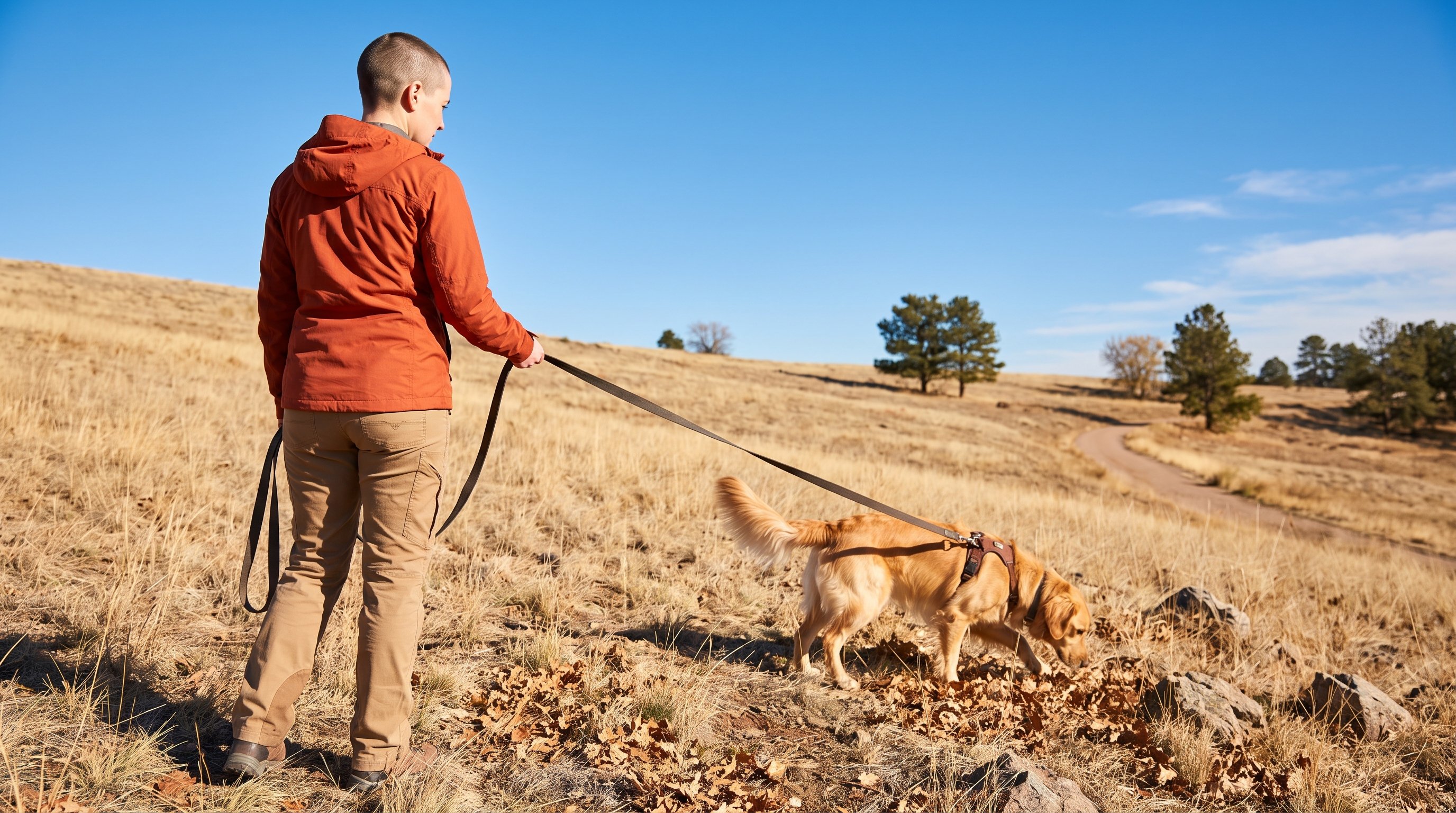
Off-lead practice feels more natural and tests the real skill, but one bad outcome in an unsafe spot can set training back and, more importantly, put the dog at risk.
| Factor | Long Line | Off-Lead Practice |
|---|---|---|
| Safety while learning | High, dog cannot bolt | Lower, risk of running off |
| Speed of early progress | Slower, more setup | Faster if it goes well |
| Risk if it fails | Minimal, line stops it | Can undo weeks of work |
| Best used for | New or shaky recall | Already solid recall |
| Effort required | Carrying and managing line | None, just open space |
Neither option is wrong. The line is the slower, safer route to the same place the off-lead approach is trying to reach faster.
Why Starting on a Long Line Beats Risking It Off-Lead
A dog that only ever practises recall when it is likely to succeed learns the word means something good, full stop.
A dog that practises off-lead too soon and sometimes gets away with ignoring the call learns something messier: that the word is optional depending on how interesting the squirrel is.
The long line is not about being overly cautious. It is about making sure every single repetition during the learning phase ends the same way, because that consistency is what makes the behaviour automatic later.
Once recall is solid on a line in distracting settings, dropping the line and eventually removing it is a small step rather than a leap of faith.
Adjusting Recall Training for Puppies, Busy Owners and Older Dogs
Puppies Still Learning the Basics
Puppies have short attention spans but also fewer bad habits to undo, so recall training started early tends to build fast on a foundation of easy wins indoors.
Owners Short on Time
Recall does not need a dedicated training block; calling the dog for its dinner, for a toy, or before a walk are all free repetitions that cost nothing extra in the day.
Older Dogs With Existing Habits
A dog that has practised ignoring its name for years needs the same method, just slower progress and more patience, since there is more history to outweigh.
Dogs Easily Distracted Outdoors
For a dog that struggles around other dogs or wildlife, keep sessions shorter and in less exciting locations until the response is automatic before adding distraction back in.
Making Recall Practice Part of an Ordinary Walk
Recall training fits most naturally into things already happening, not into a separate session added to an already full day.
Calling the dog back mid-walk for a treat, then releasing it to carry on sniffing, turns an ordinary walk into several free repetitions without adding any time.
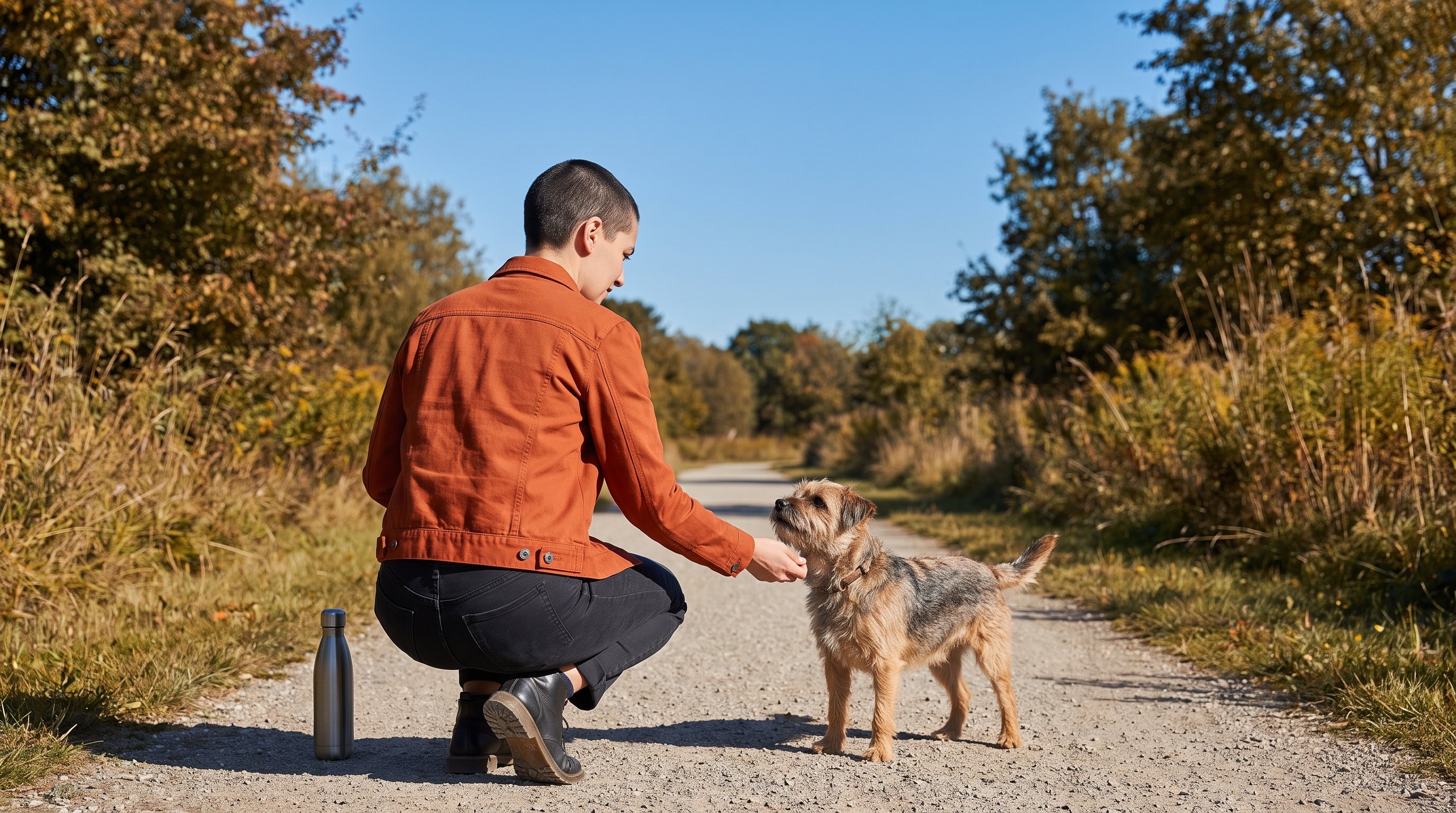
Keeping the plan simple matters more than keeping it long, which is where a tailored lesson plan helps instead of generic advice that does not account for the dog's age or current habits.
Raising Dog breaks recall practice into small steps matched to the dog's stage, so the sessions that already fit into a walk are the right sessions, not guesswork.
The Myth of the Dog That Comes Every Time, No Exceptions
There is no version of recall training that guarantees a dog will come every single time, no matter the distraction.
Dogs are animals responding to competing motivations, and a strong recall lowers the odds of them ignoring the call, it does not remove the odds entirely.
The honest goal is a dog that comes reliably in the situations it has actually practised, with the understanding that a brand new environment or a strong trigger can still test that training.
That is why the long line matters for longer than feels necessary, and why management, like a secure garden or a lead near traffic, stays part of the plan rather than something training replaces.
Building Recall Training With Raising Dog's Lesson Plans
Generic recall advice tends to skip the part that actually matters: what does this specific dog need this week, given its age, its history and how distracted it already gets outdoors.
A book is a plan, not a result, and the plan only works if it matches the dog in front of you rather than an average dog that does not exist.
Raising Dog builds lessons around the dog's age and current habits, with tips to work through specific behaviour challenges like ignoring the call around distractions, plus games that turn recall practice into something that also strengthens the bond between dog and owner.
The companion app tracks progress between sessions, so it is clear which steps have stuck and which still need a few more easy repetitions before adding distance or distraction.
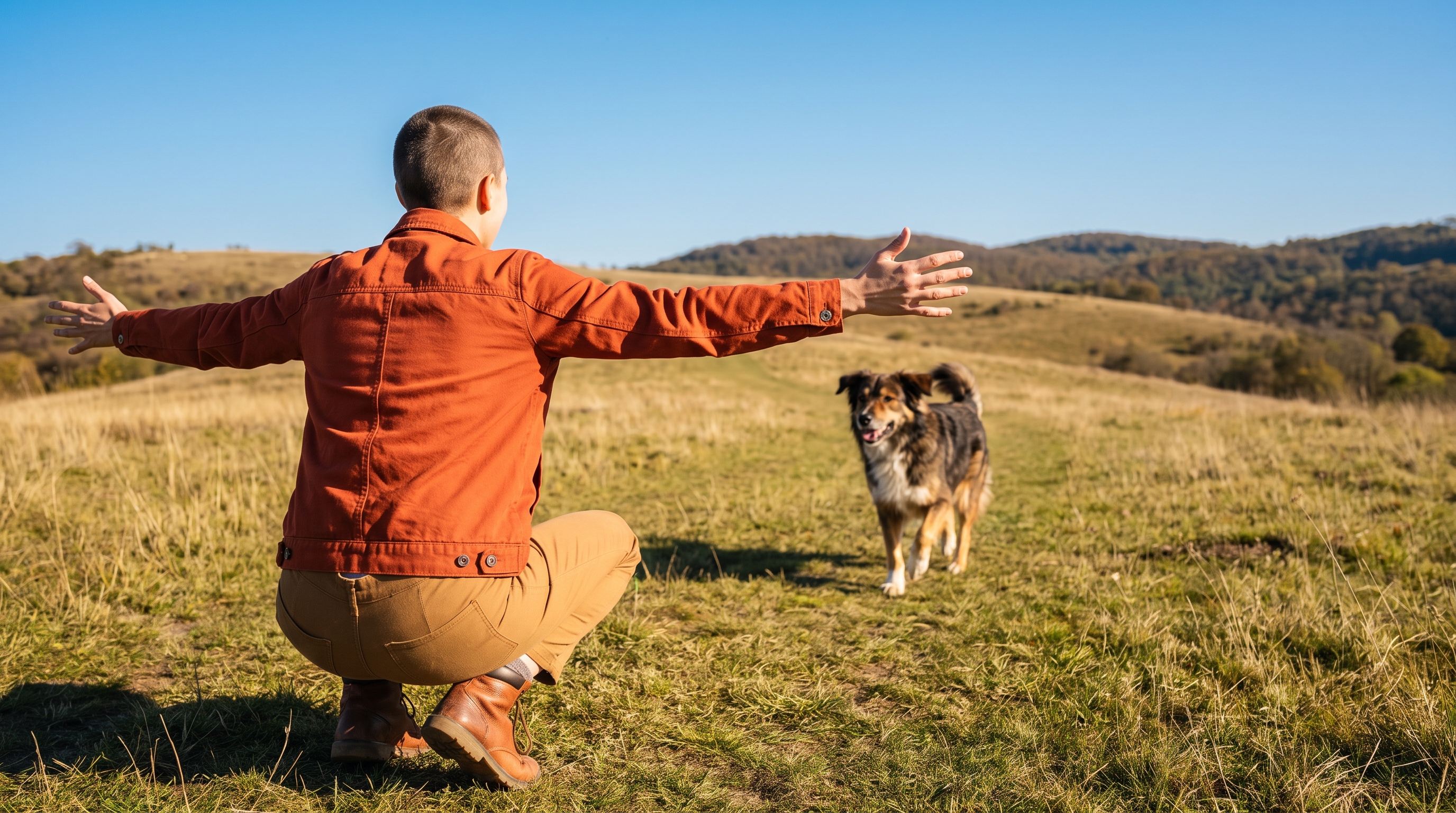
Raise A Happy Dog
Train Your Dog Right
Starting Recall Practice on Tonight's Walk
The fastest way to start is small: call the dog's name once tonight, reward generously the moment it arrives, and resist repeating the word if it does not come straight away.
One good repetition in a quiet spot is worth more than ten shaky ones in a distracting park, and Raising Dog's step-by-step lessons make it easy to know which setting to try next.
FAQ
There is no fixed timeline because it depends on the dog's age, history and how much distraction is already in the picture. Short, frequent, successful repetitions tend to build the habit faster than occasional long sessions.
That usually means the word has a mixed reward history, sometimes paying off and sometimes not, so the fix is going back to easier settings and rebuilding consistency before testing it in harder ones again. It is not a sign of a stubborn dog, just an under-practised one.
Not necessarily forever, but phasing out food rewards works best once the behaviour is already strong, replacing it gradually with praise, play or life rewards like continuing the walk. Dropping treats too early is one of the more common reasons recall falls apart.
It is not too late, though an adult dog with years of practice ignoring its name needs the same steps as a puppy, just more patience and more low-distraction repetitions before testing it outdoors. Raising Dog's lessons adjust to the dog's current stage rather than assuming a blank slate, so older dogs follow the same structured plan at their own pace.
Share this post