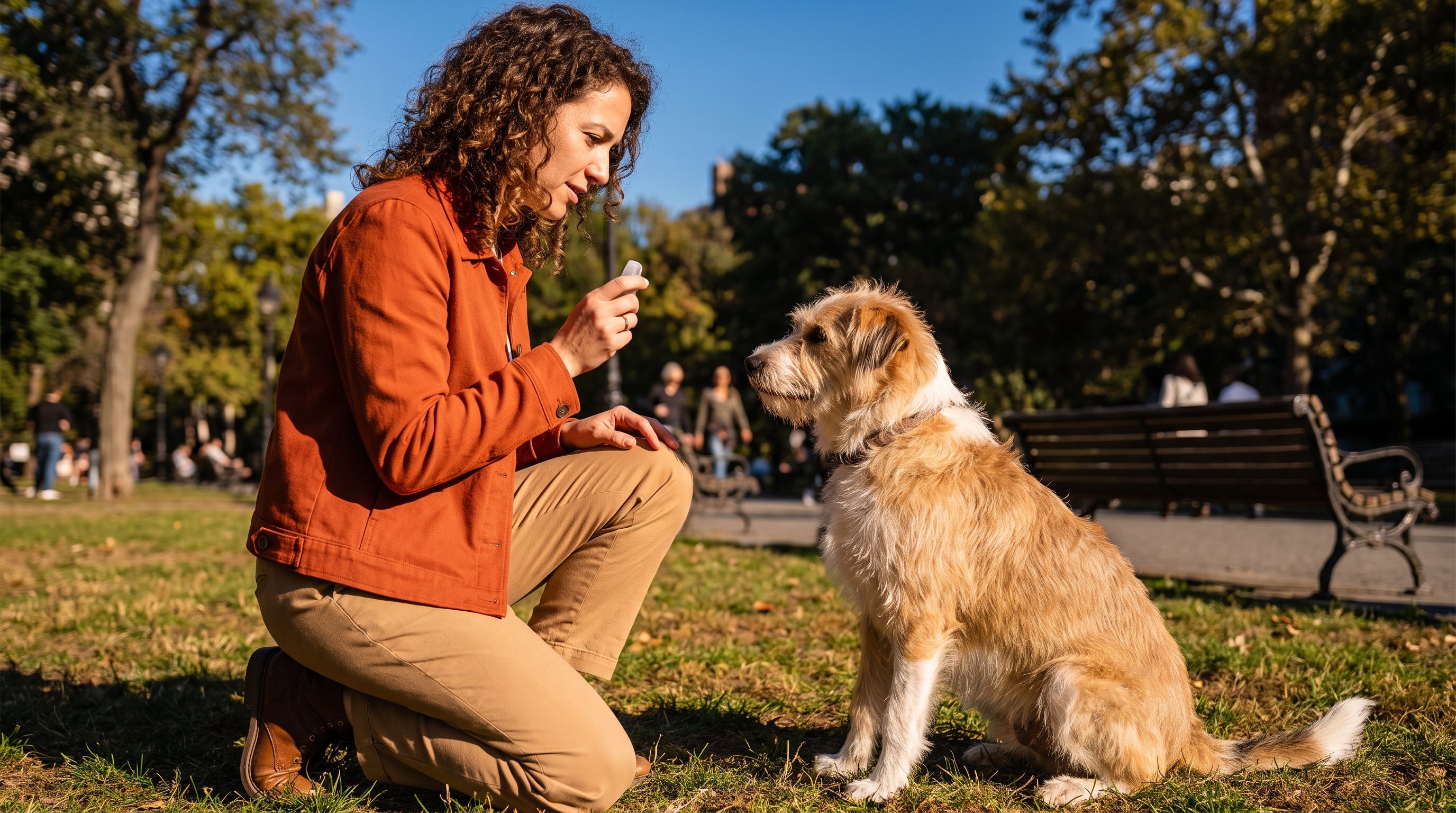
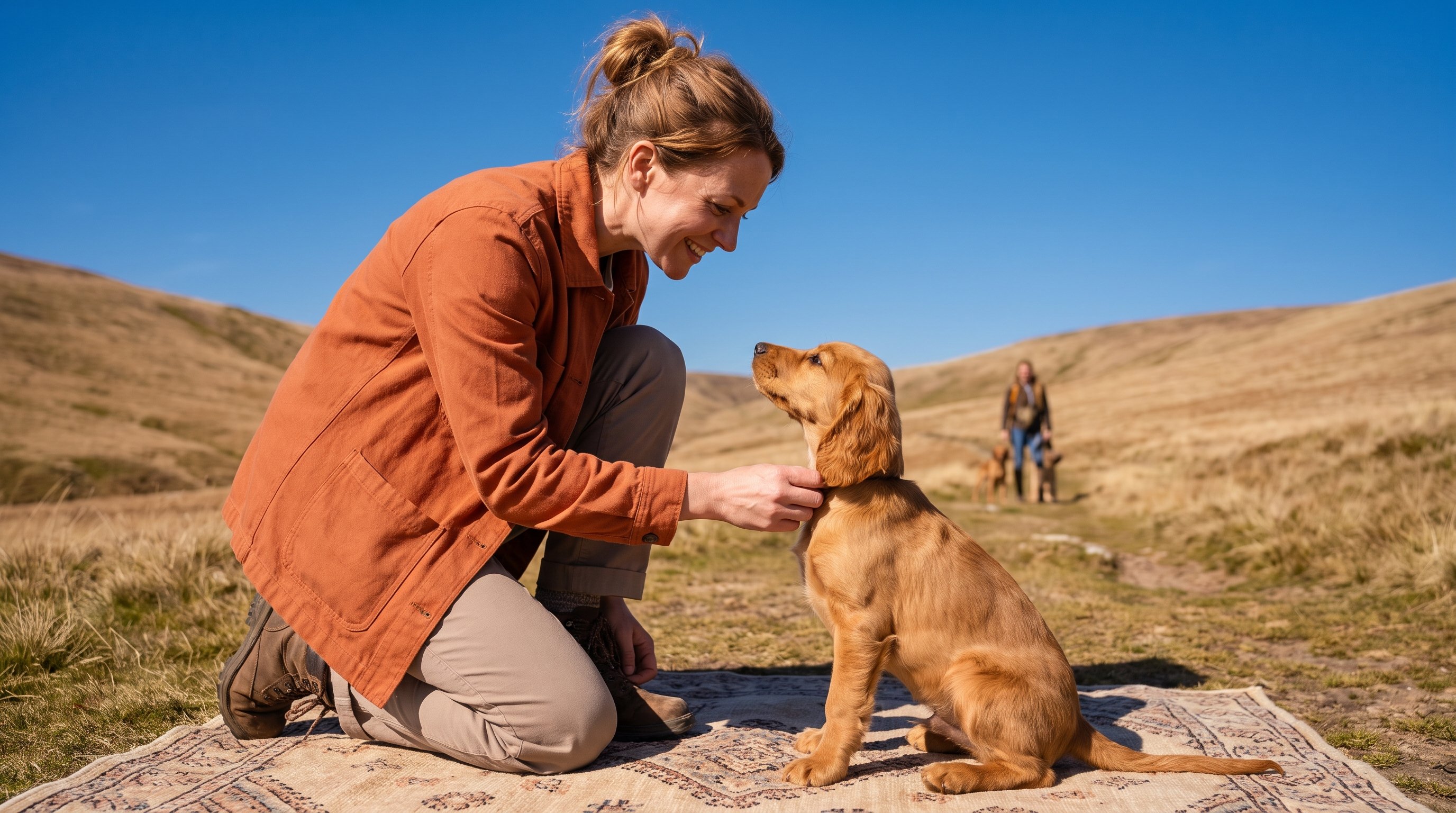
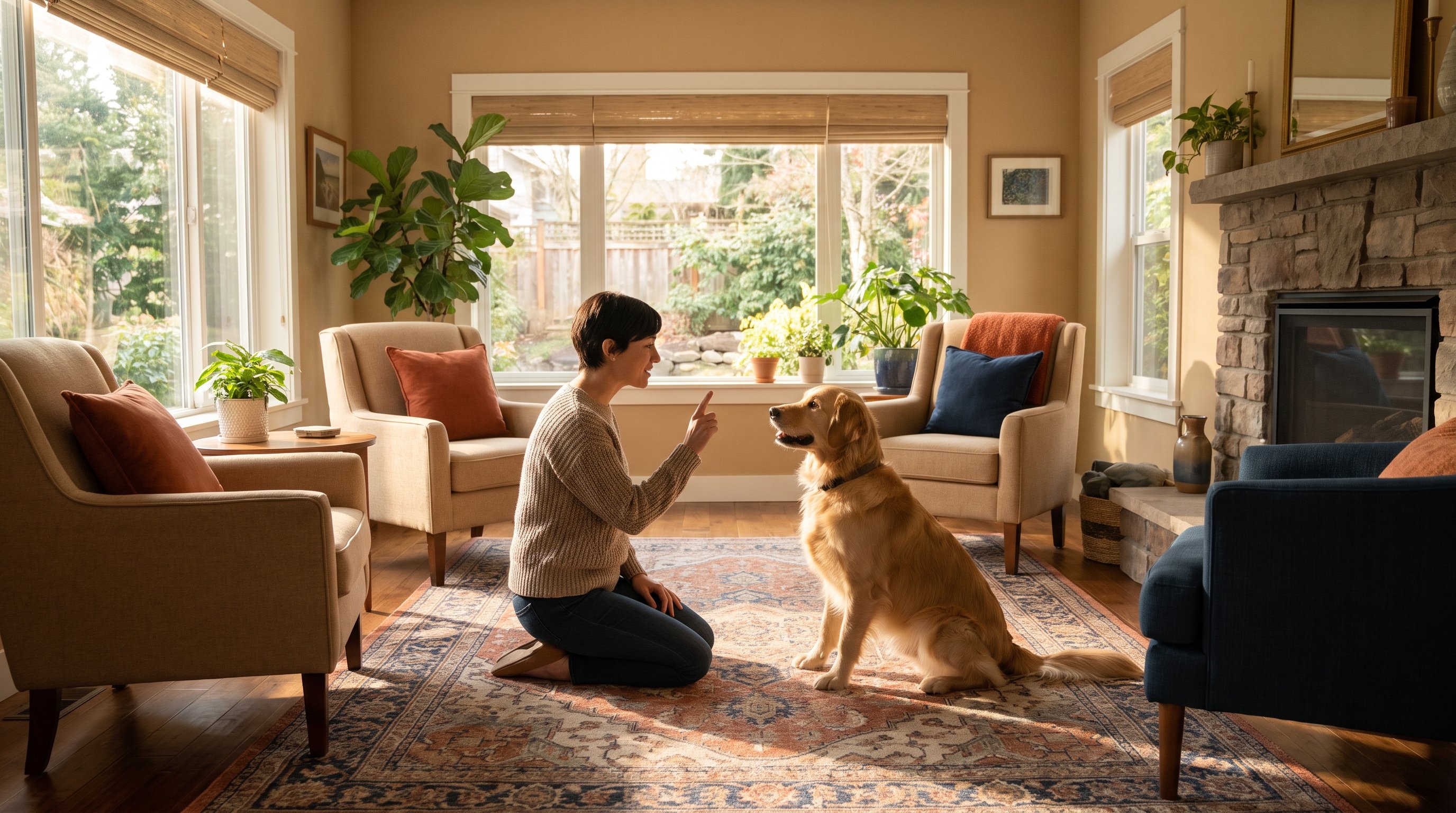
How To Train A Rescue Dog: A Calm Start For A New Home
By:Author:Raising Dog Editorial
Updated on:October 20, 2026
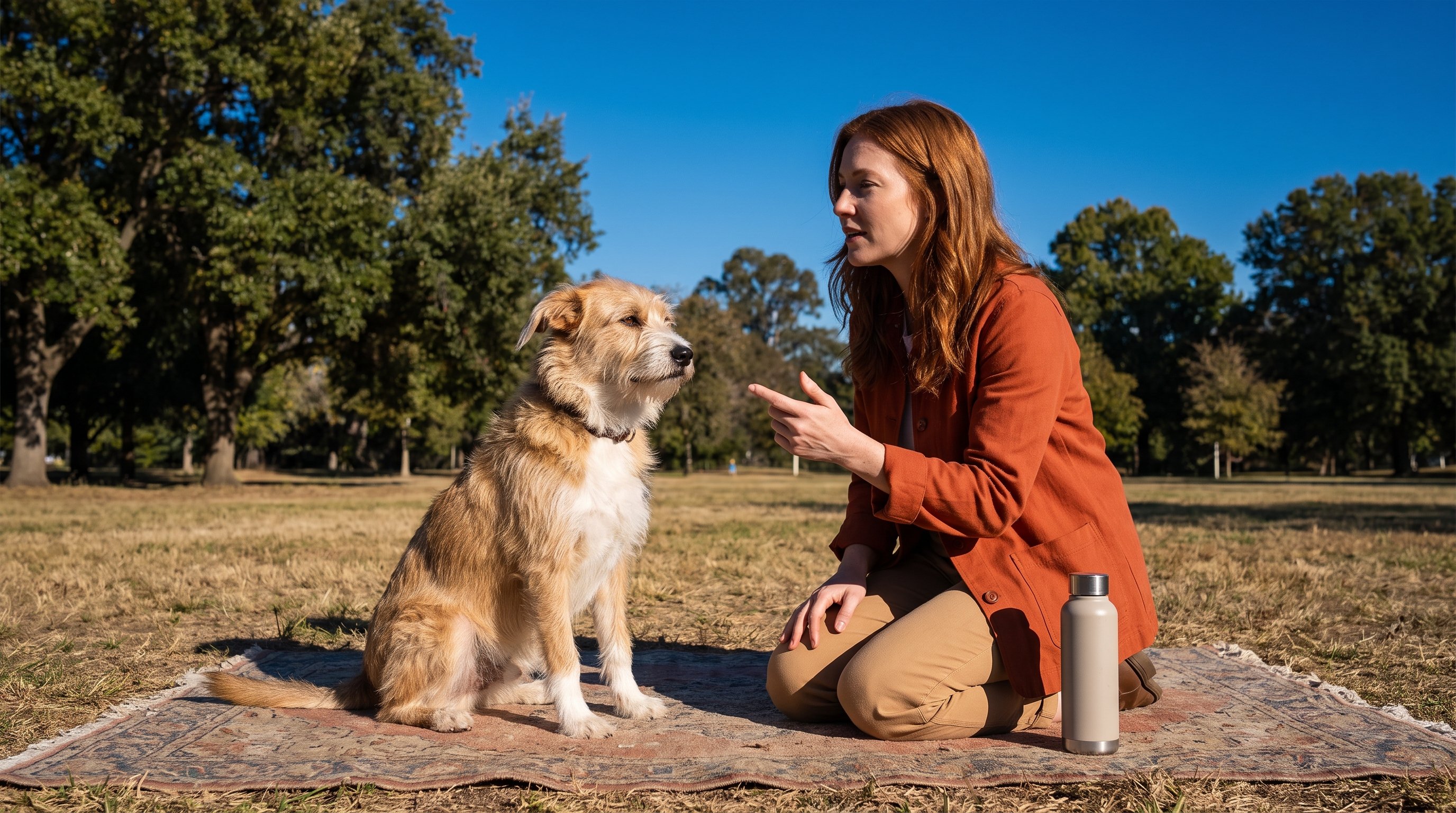
- Steps to Take When Training a Rescue Dog From Day One
- How Often to Practise Rescue Dog Training Each Day
- Fitting Rescue Dog Training Around a Normal Household
- A Four-Stage Starting Plan for a New Rescue Dog
- When Trust and Training Progress Usually Show Up
- Common Mistakes That Slow Down Rescue Dog Training
- Using Raising Dog to Support a Rescue Dog's First Weeks
- Giving a Rescue Dog a Steady Place to Start
The fastest way to train a rescue dog is to slow down first: give the dog a few quiet days to decompress before asking for anything, then build basic cues through short, low-pressure sessions.
Rescue dogs often arrive with an unknown history, so their nervous system is doing overtime just adjusting to new smells, sounds and routines. Training on top of that stress rarely sticks, which is why the order of operations matters more than the commands themselves.
This guide covers the steps to take in the first weeks, how often to practise, a simple four-stage plan, the mistakes that stall progress, and what to expect as trust builds.
Steps to Take When Training a Rescue Dog From Day One
Rescue dogs do best with a predictable sequence rather than a rush to teach commands. These steps build the groundwork training depends on.
Early Steps for a Rescue Dog
- Give a decompression window - a few days with no visitors, no new places, and minimal demands lets the dog's stress levels settle before learning begins.
- Set up a predictable routine - fixed times for meals, walks and rest help a dog who has had none of that stability work out what comes next.
- Pick one or two cues to start - sit and name recognition are enough at first; piling on commands early just adds pressure.
- Use short sessions - a few minutes at a time keeps the dog under threshold and able to actually learn.
- Reward calm behaviour, not just commands - marking relaxed body language teaches the dog that this home is safe, which underpins everything else.
- Introduce new people and places gradually - one new thing at a time, at the dog's pace, rather than a full weekend of introductions.
- Watch body language throughout - a stiff body, tucked tail or whale eye means back off, not push through.
How Often to Practise Rescue Dog Training Each Day
Short and Frequent Beats Long and Rare
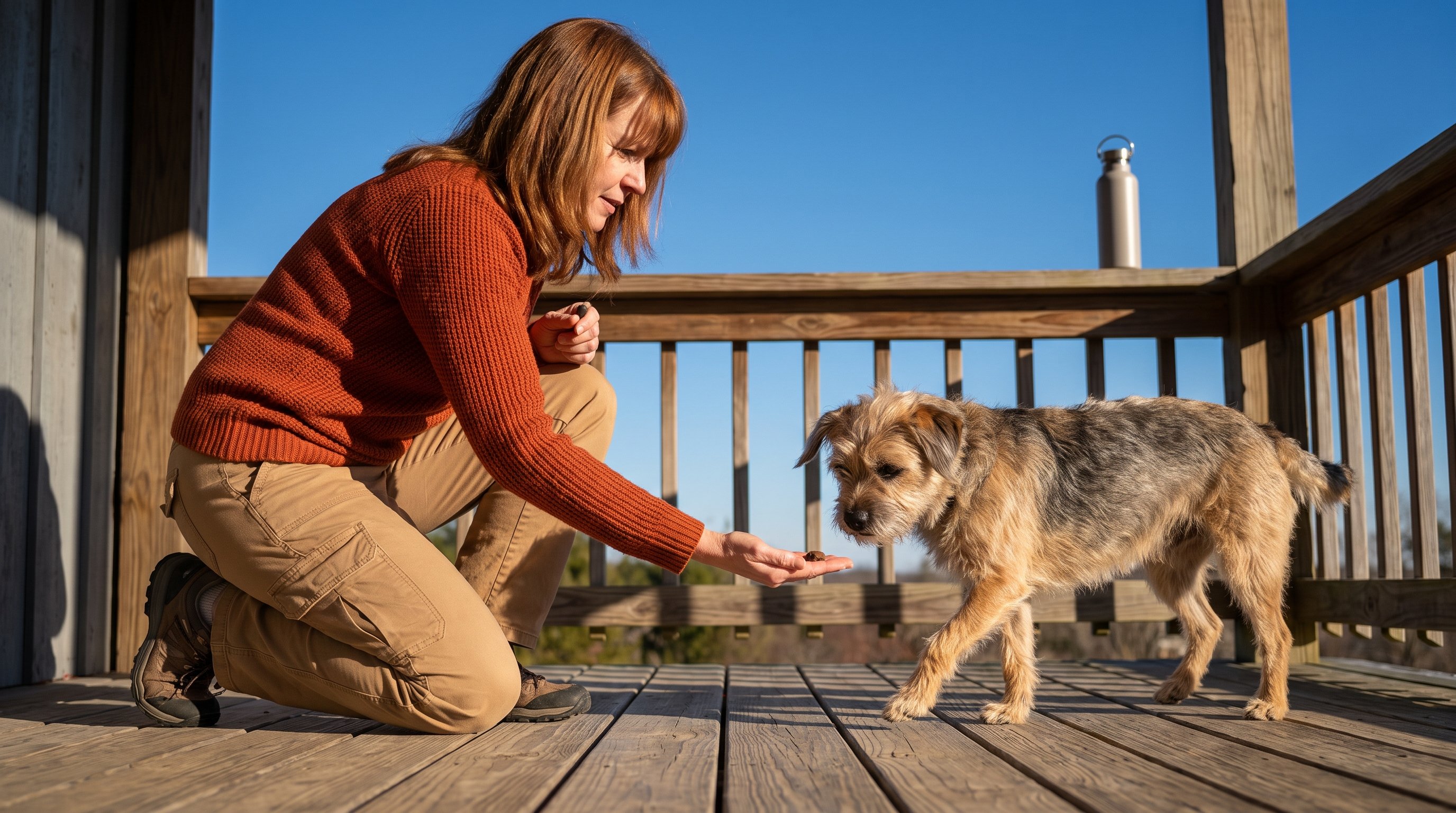
A rescue dog generally does better with several short sessions spread through the day than one long drilling session. Short bursts keep the dog engaged and avoid the fatigue that turns training into another source of stress.
The table below gives a starting point for frequency and length, which can flex depending on how settled the dog seems that week.
| Stage | Sessions | Length |
|---|---|---|
| Week 1 | 0-1 per day | Under 2 minutes |
| Week 2 | 1-2 per day | 2-3 minutes |
| Week 3 | 2-3 per day | 3-5 minutes |
| Week 4 | 2-3 per day | 5 minutes |
Fitting Rescue Dog Training Around a Normal Household
Most households are not quiet and predictable, which is exactly the challenge with a dog who needs quiet and predictable. The trick is building training into moments that already exist, like feeding time or the walk to the mailbox, rather than carving out extra time nobody has.
A few seconds of calm before the food bowl goes down, or a name-check before the leash comes out, counts as training without needing a dedicated slot in the day.
This is where generic advice tends to fall apart, because a rescue dog with fear of men is not the same project as one who guards food or startles at traffic. Raising Dog builds lessons around the dog in front of you, tailored to age and the specific behaviour patterns a rescue brings home, rather than a one-size list of commands.
A Four-Stage Starting Plan for a New Rescue Dog
This plan is a sequence, not a countdown. Some dogs move through it faster, some slower, and the order matters more than hitting a particular week.
| Stage | Focus | Example |
|---|---|---|
| Stage 1 | Decompression and routine | Quiet house, fixed meal times |
| Stage 2 | Name and food association | Reward name response at home |
| Stage 3 | First cue, sit or touch | Short sessions before meals |
| Stage 4 | New environments, one at a time | Quiet street, then busier one |
When Trust and Training Progress Usually Show Up
There is no fixed point where a rescue dog suddenly becomes easy, and anyone promising one is guessing. Some dogs relax into a new home within a couple of weeks, others take considerably longer, and both are normal.
What tends to happen is small and gradual: the dog starts checking in without being asked, sleeps more deeply, or stops flinching at ordinary sounds. Those are the signs worth watching for, not a calendar date.
The quiet stretch in the middle, where progress feels invisible, is usually where people lose patience. It is also usually where the dog is doing the most internal adjusting, even if it does not look like much from the outside.
Common Mistakes That Slow Down Rescue Dog Training
Expecting Obedience Before Safety
Asking for sit, stay and come in the first days skips the step the dog actually needs, which is feeling safe. Let the decompression period run its course before layering on commands.
Flooding the Dog With New Experiences
A trip to the pet store, the park and a family gathering in the same week overwhelms a dog who has not adjusted to the house yet. Introduce one new thing at a time and watch how the dog handles it before adding another.
Punishing Fear-Based Behaviour
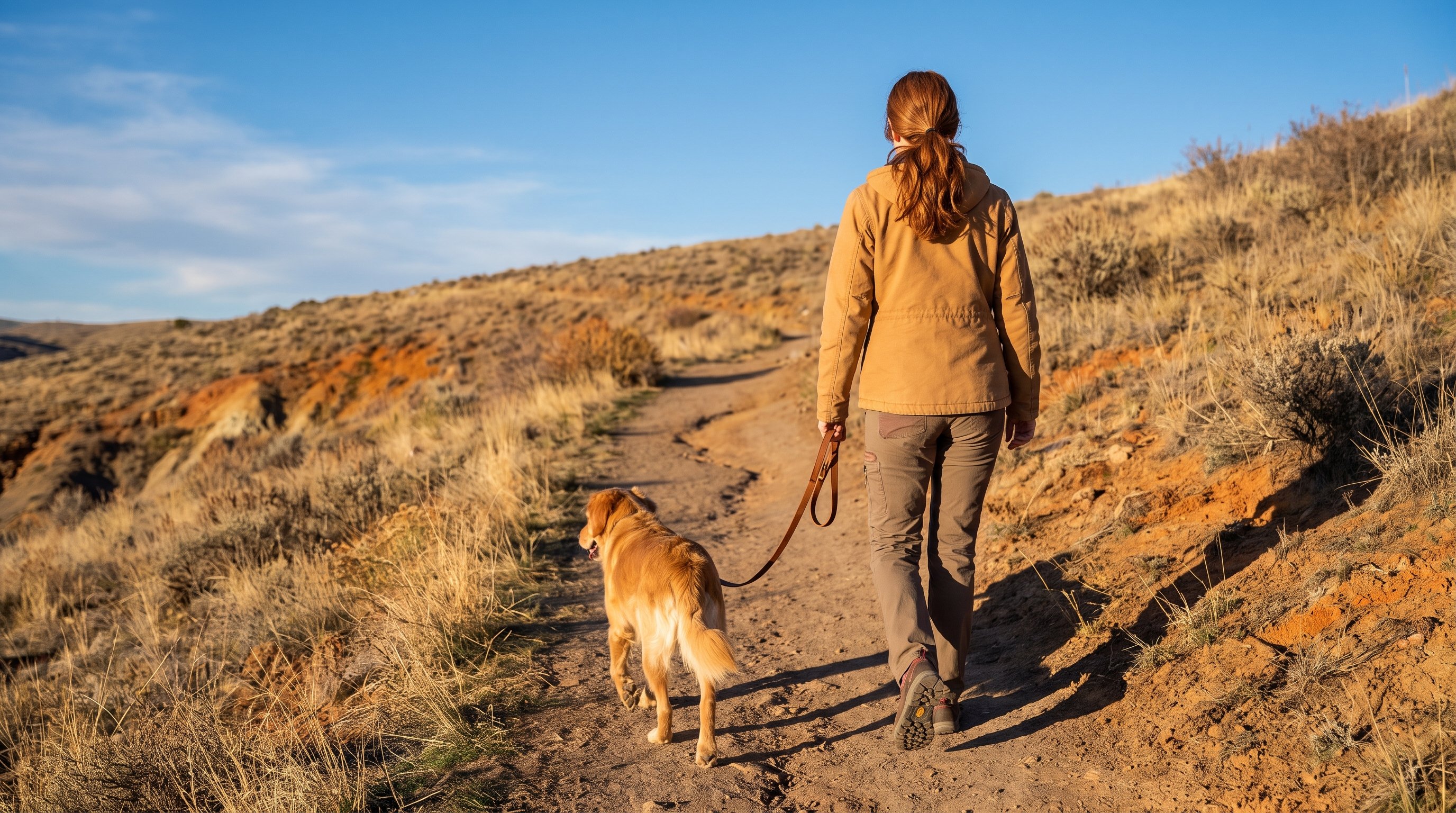
Growling, freezing or backing away are communication, not defiance. Correcting these signals teaches a dog to stop warning before it reacts, which makes things harder, not easier.
Comparing the Dog to a Past Pet
A rescue dog is not failing to be the last dog you had, and holding that comparison just adds pressure neither of you needs. Judge progress against where this dog started, not against a different dog's timeline.
Giving Up on a Cue Too Soon
A cue that does not land in a week is not a sign the dog cannot learn it, it is a sign the session was probably too long or the environment too distracting. Shorten it, simplify it, and try again somewhere quieter.
Using Raising Dog to Support a Rescue Dog's First Weeks
Generic training advice assumes a blank slate, but a rescue dog rarely is one. Fit is the real variable: a dog who shuts down around strangers needs a different plan than one who bounces off the walls with excess energy, and a book that only covers the average case leaves out the dog actually standing in your kitchen.
Raising Dog builds its lessons around your dog's age and specific needs, with tips for behaviour challenges that are common in rescues, tricks and games to build trust at a pace that fits, and guidance on health and nutrition for a dog settling into a new routine. The companion app tracks progress along the way, so the plan can adjust as the dog adjusts, rather than sticking to a script written for a different dog.
Raise A Happy Dog
Train Your Dog Right
Giving a Rescue Dog a Steady Place to Start
Training a rescue dog is less about a list of commands and more about building a routine the dog can trust, one short session and one calm moment at a time. The commands come easier once that foundation is in place.
Pick one small thing to do today, whether that is a quieter walk, a shorter session, or just sitting with the dog without asking for anything. Raising Dog can help shape what comes next once the dog is ready for it.
FAQ
There is no fixed timeline, since it depends on the dog's history, temperament and how settled the home environment is. Progress tends to show up gradually through small signs like relaxed body language rather than a single turning point.
That usually means the dog is not ready for commands yet, not that training has failed. Stepping back to decompression and routine-building first, then reintroducing a single simple cue, tends to work better than pushing forward.
Yes, a dog can have a strong week followed by a harder one, especially after a change like a loud storm or a new visitor. It does not undo earlier progress, it just reflects how sensitive the adjustment period still is.
It depends on the dog and the budget, but a structured resource helps avoid generic advice that does not fit the dog's specific history. Raising Dog is built to adjust lessons to a dog's age and needs, which matters more with rescues than with a predictable puppy.
Share this post