Potty Training A Puppy: A Schedule That Actually Sticks
By:Author:Raising Dog Editorial
Updated on:October 18, 2026
- The Myth of the Fast Fix
- What Actually Happens When a Puppy Learns This
- What Changes How Fast Potty Training Sticks
- A Realistic Day of Potty Breaks
- Making the Schedule Work With a Full Calendar
- When Accidents Start to Taper Off
- Where Potty Training Usually Goes Wrong
- Raising Dog's Approach to Potty Training a Puppy
- Getting Through the First Few Weeks
Potty training a puppy works when you control the schedule, not the puppy. Take them out often enough, before accidents happen, and the habit builds itself over a few weeks.
The mechanism is simple: a puppy's bladder is small and their brain is still learning cause and effect. Frequent, well-timed trips outside turn an inconsistent body into a reliable one.
This guide covers what actually works, what a realistic daily schedule looks like, and the mistakes that make the whole process take longer than it needs to.
The Myth of the Fast Fix
No method potty trains a puppy overnight, and anyone promising a fixed number of days is guessing. Puppies don't follow a script - some get it in a couple of weeks, others take longer, and both are normal.
The reason is physical, not behavioural. A young puppy simply can't hold their bladder for long stretches, so accidents aren't defiance - they're biology catching up with expectations.
The honest answer is that consistency shortens the process, but nothing eliminates the learning curve entirely. What you can control is how often you give your puppy the chance to get it right.
What Actually Happens When a Puppy Learns This
Potty training isn't one skill, it's two things working together: bladder control and habit formation. Understanding both helps explain why rushing either one backfires.
Bladder Capacity Catches Up Over Time
A young puppy's bladder is small and the muscles controlling it are still developing, so they physically cannot wait as long as an adult dog. As weeks pass, capacity grows, and the gap between bathroom needs stretches out on its own.
Repetition Builds the Outside Association
Every successful trip outside at the right moment reinforces the link between that spot, that action and that outcome. The more times this pattern repeats without interruption from an accident indoors, the faster the habit locks in.
Put together, these two parts explain why a schedule beats a reactive approach - you're working with the body's limits while building the mental habit at the same time.
What Changes How Fast Potty Training Sticks
Not every factor matters equally. These three have the biggest effect on how smoothly potty training goes.
Factors That Move the Needle
- How often you take them out - frequent trips outside prevent accidents from happening in the first place, which is the whole game early on.
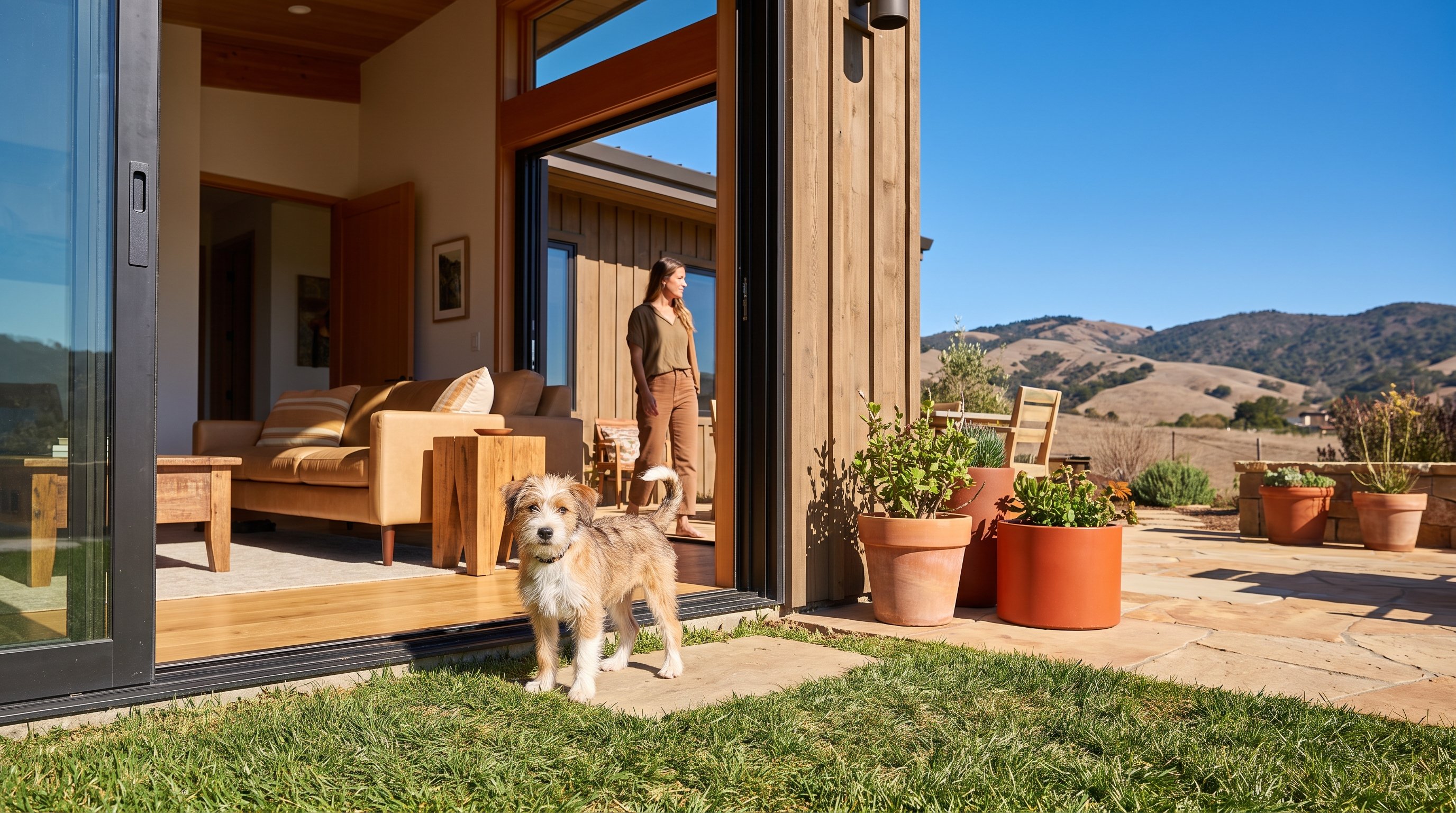
- How consistently you use the same spot and door - repetition in the same location speeds up the association between place and purpose.
- How closely you watch for signals - circling, sniffing or sudden stillness are cues, and catching them before an accident matters more than any single training trick.
A Realistic Day of Potty Breaks
Here's what a single day can look like once you build breaks around natural triggers like waking, eating and play.
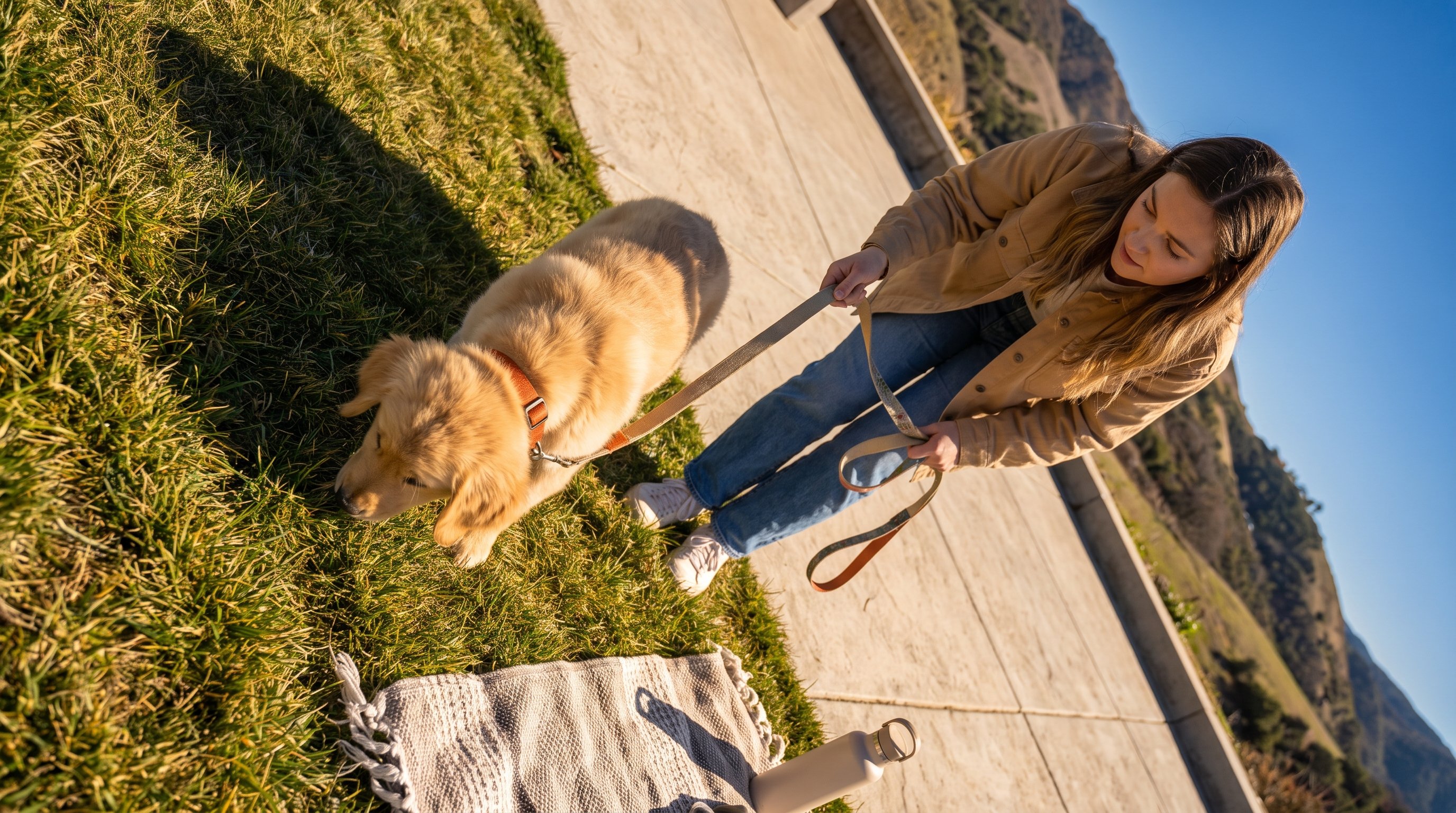
A Sample Day of Breaks
- First thing on waking, straight outside before anything else happens.
- After breakfast, within about ten minutes of finishing the bowl.
- After a play session or burst of excitement indoors.
- After any nap, even a short one.
- Mid-afternoon, roughly every two to three hours depending on age.
- After dinner, following the same ten-minute rule as breakfast.
- Last thing before bed, with the lights already dimmed.
Making the Schedule Work With a Full Calendar
A schedule like that sounds fine on paper, but real days have meetings, school runs and unpredictable hours. The trick is anchoring breaks to events you already control - waking up, meals, arriving home - rather than the clock alone.
That way the schedule bends around your day instead of demanding a rigid routine you can't sustain.
This is where having lessons tailored to your dog's age and routine helps, which is the idea behind Raising Dog - a training book built around your puppy's actual stage, not a generic timeline.
Instead of guessing how often a ten-week-old needs breaks versus a five-month-old, the content adjusts to where your puppy actually is.
When Accidents Start to Taper Off
Most people quit or lose patience in the first couple of weeks, right when progress feels slowest. That's usually because bladder capacity hasn't caught up yet, not because the method has failed.
Expect accidents to become less frequent gradually rather than stopping on a fixed date. Some puppies settle into a reliable pattern sooner, others need more repetitions, and both outcomes are within the normal range.
The clearest sign of progress isn't zero accidents - it's longer stretches between them and more moments where your puppy heads for the door on their own.
Where Potty Training Usually Goes Wrong
Punishing After the Fact
Scolding a puppy for an accident found minutes later teaches nothing, because they can't connect the correction to the act. Catching them in the moment and redirecting outside is the only version that actually links cause and effect.
Waiting Too Long Between Breaks
Stretching the gap between trips outside to fit your schedule sets the puppy up to fail. Shorter, more frequent breaks early on prevent far more accidents than longer, less frequent ones.
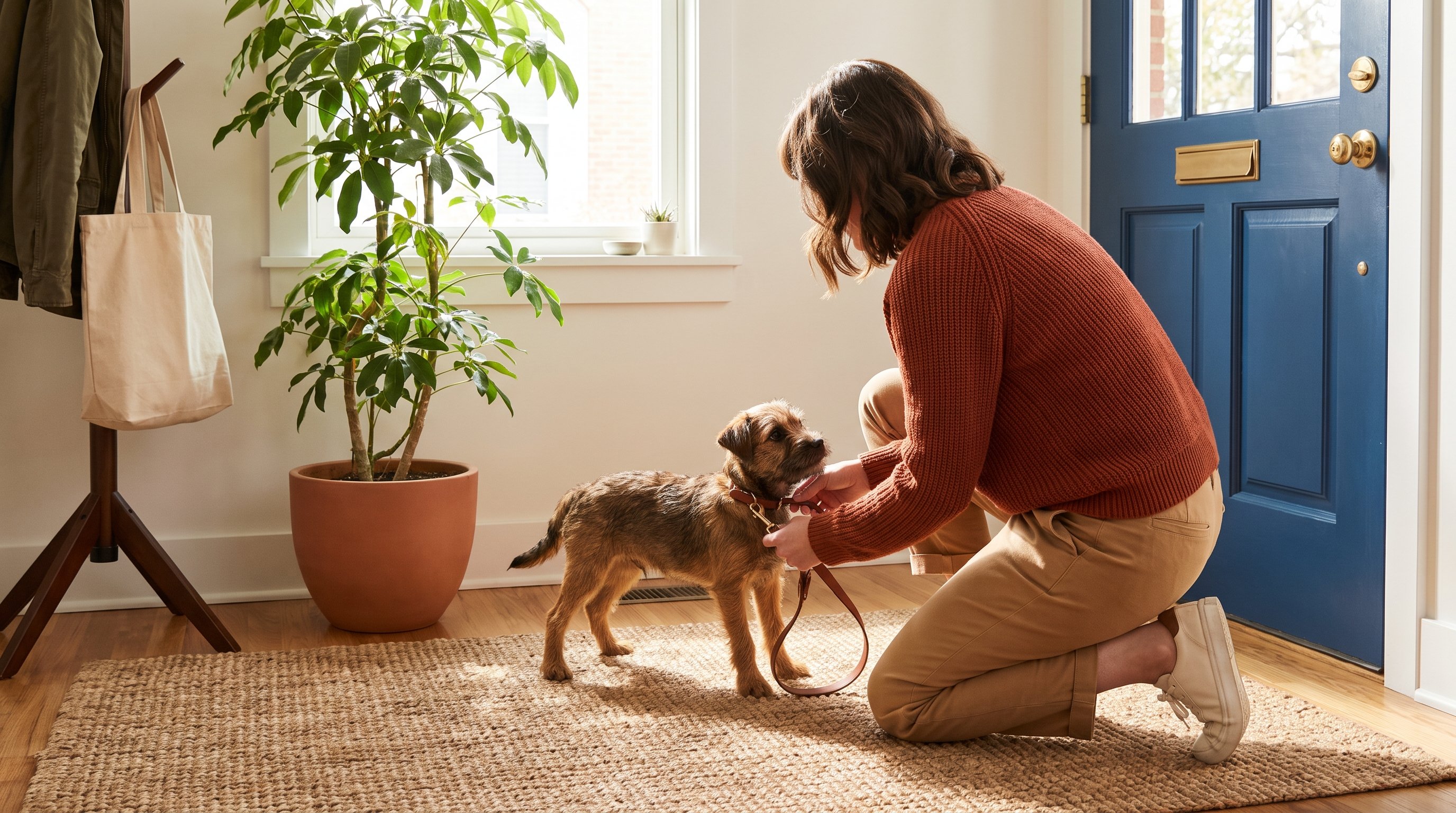
Skipping the Post-Play and Post-Nap Trips
Excitement and waking up both trigger the urge to go, and these moments get missed more than any other. Building them into the routine closes one of the biggest gaps in a day.
Giving Up Indoor Supervision Too Early
Letting a puppy roam unsupervised before the habit is solid invites accidents in rooms you can't watch. Keeping them in sight, or behind a baby gate, buys time for the habit to finish forming.
Changing the Routine Too Often
Switching the exit door, the outdoor spot or the timing confuses the association you're trying to build. Picking one setup and sticking with it for weeks gives the habit a fair chance to form.
Raising Dog's Approach to Potty Training a Puppy
Generic potty training advice assumes every puppy is the same age, breed and temperament, which is exactly where it falls apart. A ten-week-old and a four-month-old need different break frequencies, and a book that doesn't account for that leaves you guessing.
Raising Dog builds its potty training content around your puppy's actual age and needs, so the breaks, cues and troubleshooting match where your dog really is, not an average. Pair that with the companion app and you can log breaks and accidents to spot patterns before they turn into habits.
A book is a plan, not a guaranteed result - but a plan built around your specific puppy beats one written for nobody in particular.
Raise A Happy Dog
Train Your Dog Right
Getting Through the First Few Weeks
Pick one schedule, anchor it to things that already happen in your day, and give it a few weeks before judging whether it's working. The biggest lever is frequency of breaks, not any single trick or product.
If you want that schedule built around your puppy's exact age instead of a generic one, Raising Dog is built for that starting point - try it at the link above and adjust as your puppy grows.
FAQ
There's no fixed number of days, since it depends on the puppy's age, breed size and how consistent the schedule is. Progress usually shows up as fewer accidents and more trips to the door on their own, rather than a single finish line.
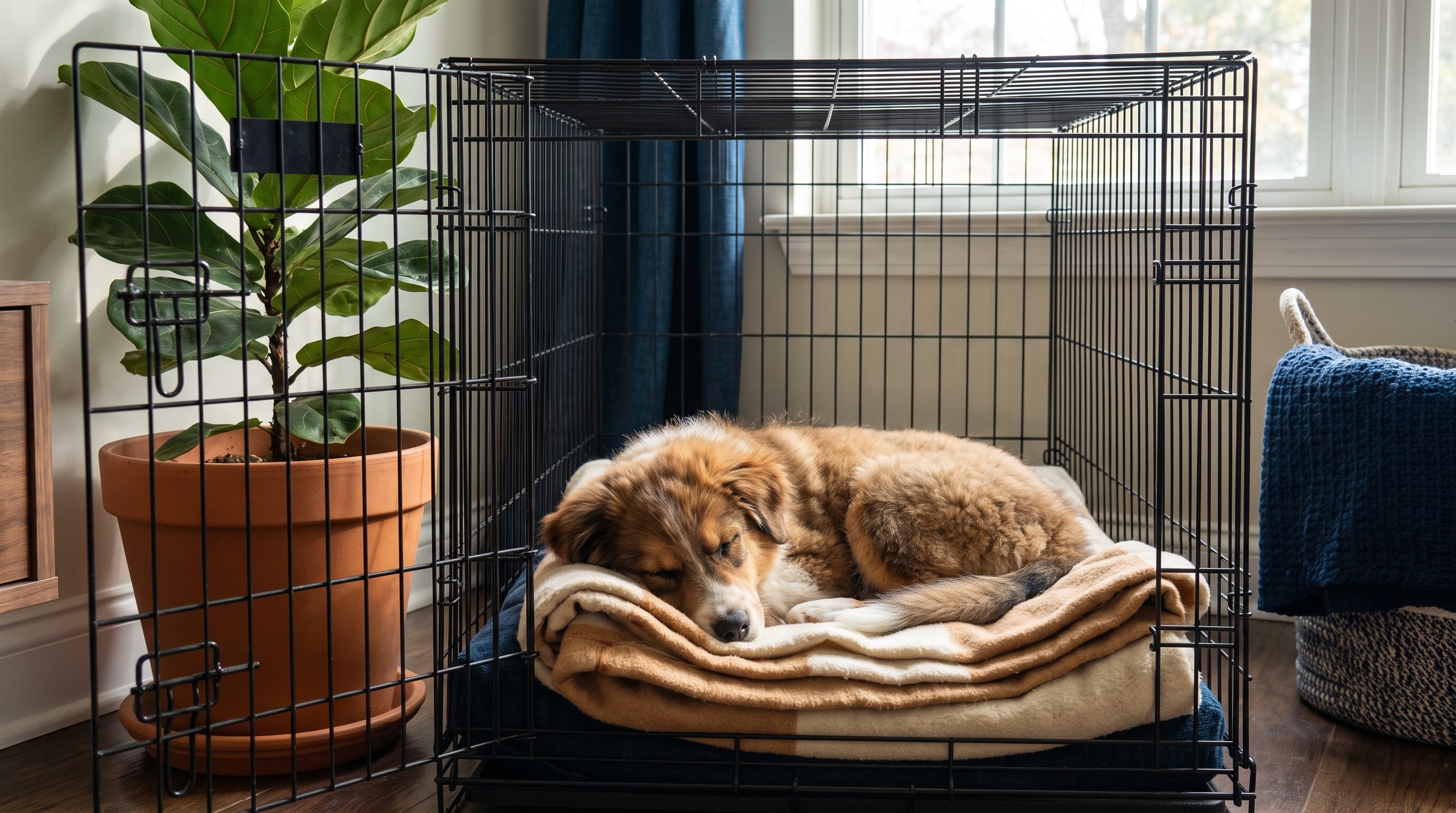
A crate can support the process because most puppies avoid soiling the space they sleep in, which encourages holding until a break. It only works alongside a consistent schedule of outdoor trips, not as a replacement for one.
Cleaning thoroughly matters, because lingering scent can draw a puppy back to the same place. Beyond that, closer supervision and shorter gaps between breaks usually solve it faster than any product applied to the spot itself.
Yes, plateaus happen, often right as bladder capacity is catching up with the schedule you've set. If it drags on, Raising Dog's age-based lessons can help you check whether the break frequency still matches your puppy's current stage.
Share this post