How Often To Walk A Dog: A Schedule By Age And Breed
By:Author:Raising Dog Editorial
Updated on:October 20, 2026
- What a Normal Week of Dog Walks Looks Like
- How Often to Walk a Dog by Age and Size
- Why Two Short Walks Beat One Marathon Outing
- Fitting Dog Walks Around a Working Week
- Adjusting Walk Frequency for Different Situations
- When a New Walking Schedule Starts to Feel Normal
- Letting Raising Dog Shape Your Dog's Walking Routine
- Building a Walk Routine That Actually Sticks
Most adult dogs do well with two walks a day, roughly 20 to 40 minutes each, adjusted for size, age and breed energy. Puppies need shorter, more frequent outings; older dogs often do better with the same frequency but gentler pace.
Walk frequency isn't just about burning energy. It's about bladder breaks, sniffing time, muscle use and a predictable rhythm the dog can set its day by.
This article covers what a normal week of walks looks like, how much is actually needed by life stage, why a simple routine beats an ambitious one, and how to adjust it around your own schedule.
What a Normal Week of Dog Walks Looks Like
A workable week doesn't need variety for its own sake. It needs the same basic shape repeated, with small tweaks for weather or energy levels.
A Sample Week for an Adult, Medium-Energy Dog
- Monday to Friday morning - a 20 to 30 minute walk before the day starts, mostly for the bathroom break and a bit of sniffing
- Monday to Friday evening - a second walk, 20 to 30 minutes, slightly longer if the dog seems restless
- Saturday - one longer walk, 40 to 60 minutes, somewhere new if possible
- Sunday - two shorter, easier walks, treated as a lighter day for recovery
That's the whole plan. No need to hit a step count or chase a perfect route - just two reliable windows most days.
How Often to Walk a Dog by Age and Size
Matching Frequency to Life Stage
A young puppy's bladder and attention span are both short, so frequency matters more than distance. An older dog usually keeps the same frequency but needs shorter, slower sessions.
| Life Stage | Walks Per Day | Typical Length |
|---|---|---|
| Puppy (2-4 months) | 4-5 short walks daily | 5-10 minutes each |
| Puppy (4-6 months) | 3-4 walks daily | 10-20 minutes each |
| Adult, medium energy | 2 walks daily | 20-40 minutes each |
| Adult, high energy | 2-3 walks daily | 30-45 minutes each |
| Senior dog | 2 walks daily | 10-25 minutes each |
Breed energy shifts these numbers either direction - a working breed will push toward the higher end, a flat-faced or short-legged breed usually sits lower.
Why Two Short Walks Beat One Marathon Outing
A single 90-minute weekend walk sounds efficient, but it asks a lot from a body that spent six days mostly resting.
Two shorter walks a day spread the physical load, give more bathroom opportunities, and are far easier to actually keep up with on a Tuesday evening.
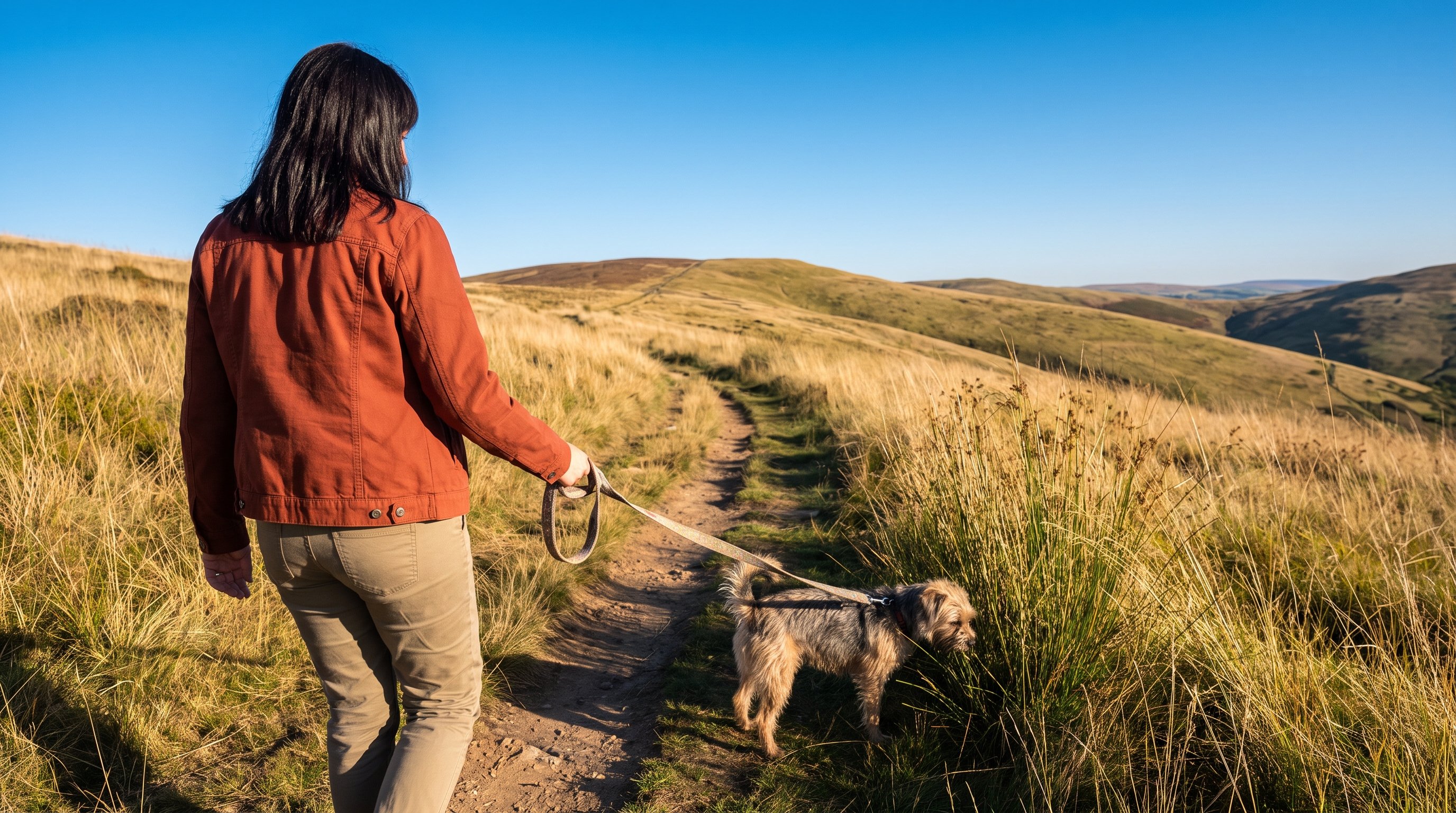
The dog that gets two 25-minute walks most days tends to settle into a calmer rhythm than the one that gets nothing all week and a long hike on Saturday.
Adherence beats ambition here. A schedule you'll actually repeat does more for a dog than one that looks better on paper.
Fitting Dog Walks Around a Working Week
Most people aren't short on knowledge about walking a dog - they're short on time that lines up with the dog's needs.
A workable fix is pairing walks to things already in the day: one before the commute, one right after getting home, before dinner gets started.
Raising Dog's lesson plans build walking and exercise guidance around your dog's age and energy level, so the schedule reflects your actual dog rather than a generic average.
That matters because a schedule built for a different dog's energy level rarely survives contact with a real week.
Adjusting Walk Frequency for Different Situations
The New Puppy Owner
Short, frequent walks matter more than distance at this stage, so plan around the puppy's bladder rather than a step count. Five-minute outings spaced through the day beat one long walk a puppy can't physically handle yet.
The Busy Professional
Two fixed windows - before work and after - are easier to protect than a loose plan to 'walk more when there's time'. A shorter midday break from someone else in the house, even ten minutes, can fill the gap on long days.
The Owner of an Older Dog
Frequency usually stays the same as adulthood, but pace and distance drop. Watch for slower starts or reluctance to go further, and let the walk be shorter rather than skipped.
The High-Energy Breed Owner
Two walks may not be enough on their own, and this is where a third shorter walk or added mental stimulation at home closes the gap. Pairing a walk with sniffing time or a food puzzle afterward often does more than extending the walk itself.
When a New Walking Schedule Starts to Feel Normal
There's no fixed day when a new routine clicks, and it's different for every dog and household.
What tends to happen is the dog starts anticipating the walk - waiting by the door, settling faster afterward - once the timing has repeated enough to become familiar.
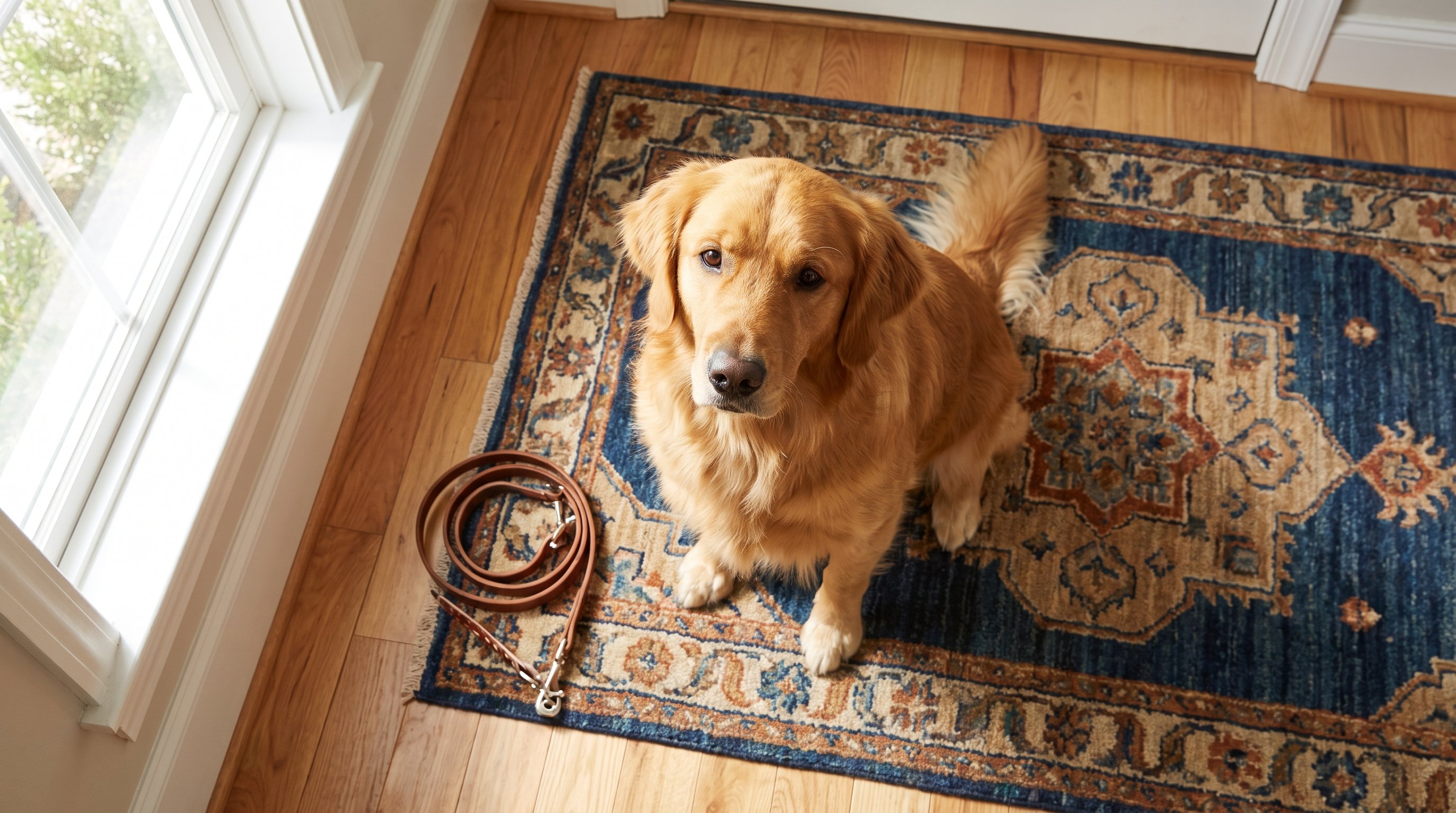
Most people who stick with a consistent schedule notice the dog settling into it before they consciously notice themselves settling into it.
The drop-off point is usually weeks three and four, when the novelty of a new routine wears off and life gets in the way - that's exactly when sticking to the plan matters most.
Letting Raising Dog Shape Your Dog's Walking Routine
A generic walking schedule treats every dog the same, but a greyhound and a bulldog don't need the same minutes or pace.
Raising Dog builds walking and exercise guidance into lessons tailored to your dog's age and unique needs, alongside the tricks, bonding activities and behavior support in the same plan.
The companion app tracks walks and progress alongside training, so the whole routine lives in one place instead of scattered notes and guesswork.
Raise A Happy Dog
Train Your Dog Right
Building a Walk Routine That Actually Sticks
Pick two times today - one before the busiest part of the day, one after - and commit to them for a week before judging whether the schedule works.
Adjust length and pace to what the dog shows you, not what a generic number suggests, and let Raising Dog's lesson plans fill in the detail around age and breed as the routine settles in.
FAQ
Most adult dogs do well with two walks a day totalling 40 to 80 minutes, split by energy level and size. Puppies need more frequent, shorter outings, and seniors usually keep the frequency but shorten the distance.
It's not harmful on its own, but it spreads the physical and bathroom needs unevenly across the week. Two shorter walks tend to be easier to repeat daily, which matters more long-term than one ambitious outing.
One walk plus some indoor mental stimulation or a short yard session can cover a tight day without the schedule collapsing entirely. The goal is consistency over a full week, not a perfect record every single day.
Novelty wears off and other parts of the day start crowding out the fixed walk times. Raising Dog's tracking tools and tailored lesson plans help keep the routine visible so it's easier to notice and fix before it slips for good.
Share this post