How To Tire Out A Puppy: A Calm, Effective Daily Plan
By:Author:Raising Dog Editorial
Updated on:October 20, 2026
- The Myth of More Walking Equals More Tired
- What Actually Makes a Puppy Tired
- What Changes How Tired a Puppy Gets
- A Sample Day That Actually Settles a Puppy
- Fitting This Into a Normal Working Day
- When a Puppy Starts Settling by Evening
- Common Mistakes People Make Tiring Out a Puppy
- Building a Tire-Out Routine With Raising Dog
- Giving Tonight's Routine a Mental Workout
The fastest way to tire out a puppy is to combine short bursts of physical activity with mental work, not to walk it for hours on end. A puppy's brain burns through energy faster than its legs do, which is why a ten-minute sniffing game can settle a dog that a thirty-minute walk couldn't touch.
This works because tiredness in a young dog is mostly about nervous system load, not muscle fatigue. Puzzle solving, impulse control and new experiences ask more of a puppy's brain than repetitive walking does, and a tired brain settles a body down.
This article covers the myth of exercise-only tiring, how physical and mental tiredness actually differ, what changes the result, a sample day you can copy, and the mistakes that keep puppies wired instead of settled.
The Myth of More Walking Equals More Tired
Plenty of people assume a longer walk is the answer, so they add distance every week and wonder why the puppy still zooms around the kitchen at 7pm.
It doesn't work that way. Puppies build cardiovascular fitness quickly, so the same walk that wiped them out at ten weeks barely registers by sixteen, and over-walking a growing puppy can also strain joints that aren't ready for it.
The honest answer is that physical exercise is only half the job. A puppy that's walked a lot but never mentally challenged often becomes a puppy with good stamina and no off switch, which is the opposite of what most people want.
What Actually Makes a Puppy Tired
Tiredness in a puppy comes from two separate systems, and both need attention or the day never quite lands.
Physical Tiredness Fades Fast
Running, fetch and walking burn energy in the moment, but a young dog's cardiovascular system recovers within an hour or two, so the calm it brings is often short-lived.
Mental Tiredness Lasts Longer
Sniffing, problem-solving and learning something new ask the brain to process information, and that kind of fatigue tends to stick around for the rest of the day because there's no quick recovery for it.
Put the two together in the same session and the effect compounds, which is why a walk that includes sniffing time and a short training drill tires a puppy out more than the same walk done at a brisk pace with no stops.
What Changes How Tired a Puppy Gets
Three factors decide whether a day actually settles a puppy or just winds it up further.
The Three Biggest Levers
- Mental work included - a session with sniffing, a puzzle or a training drill tires a puppy out faster than exercise alone, because it adds brain fatigue on top of physical effort.
- Timing across the day - spreading activity into several short sessions matches a puppy's attention span better than one long outing, and avoids the overtired, wired state that follows a single marathon session.
- Rest between sessions - a puppy that never gets a proper nap between activities builds up overtiredness instead of winding down, so downtime matters as much as the activity itself.
A Sample Day That Actually Settles a Puppy
Here's a routine built around short sessions spread through the day rather than one big push.
A Day's Worth of Activity
- Morning - a short walk with plenty of sniffing time, followed by a five-minute training drill before breakfast.
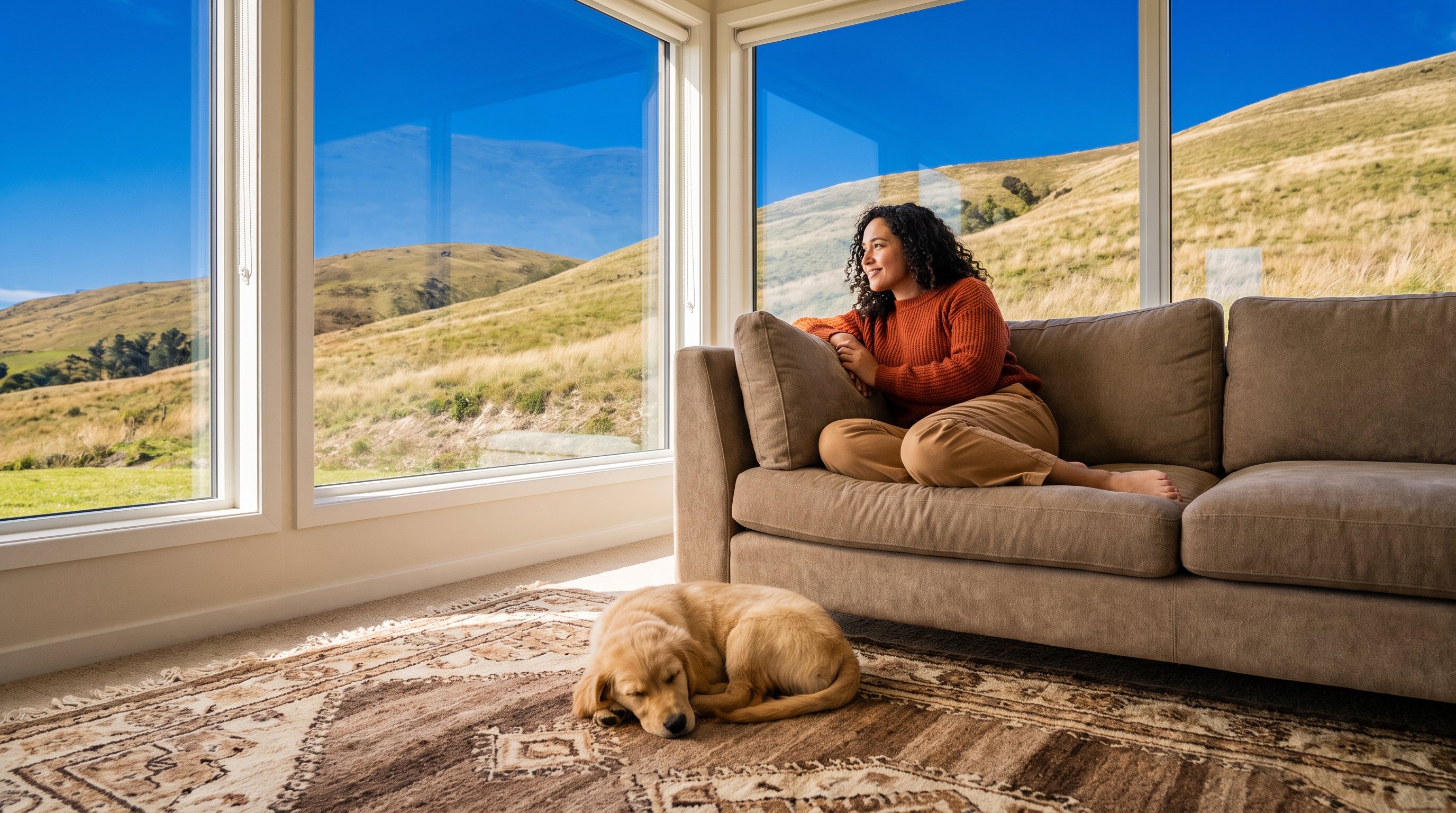
- Midday - a food puzzle or scatter-feed session while the household is busy, then a long nap.
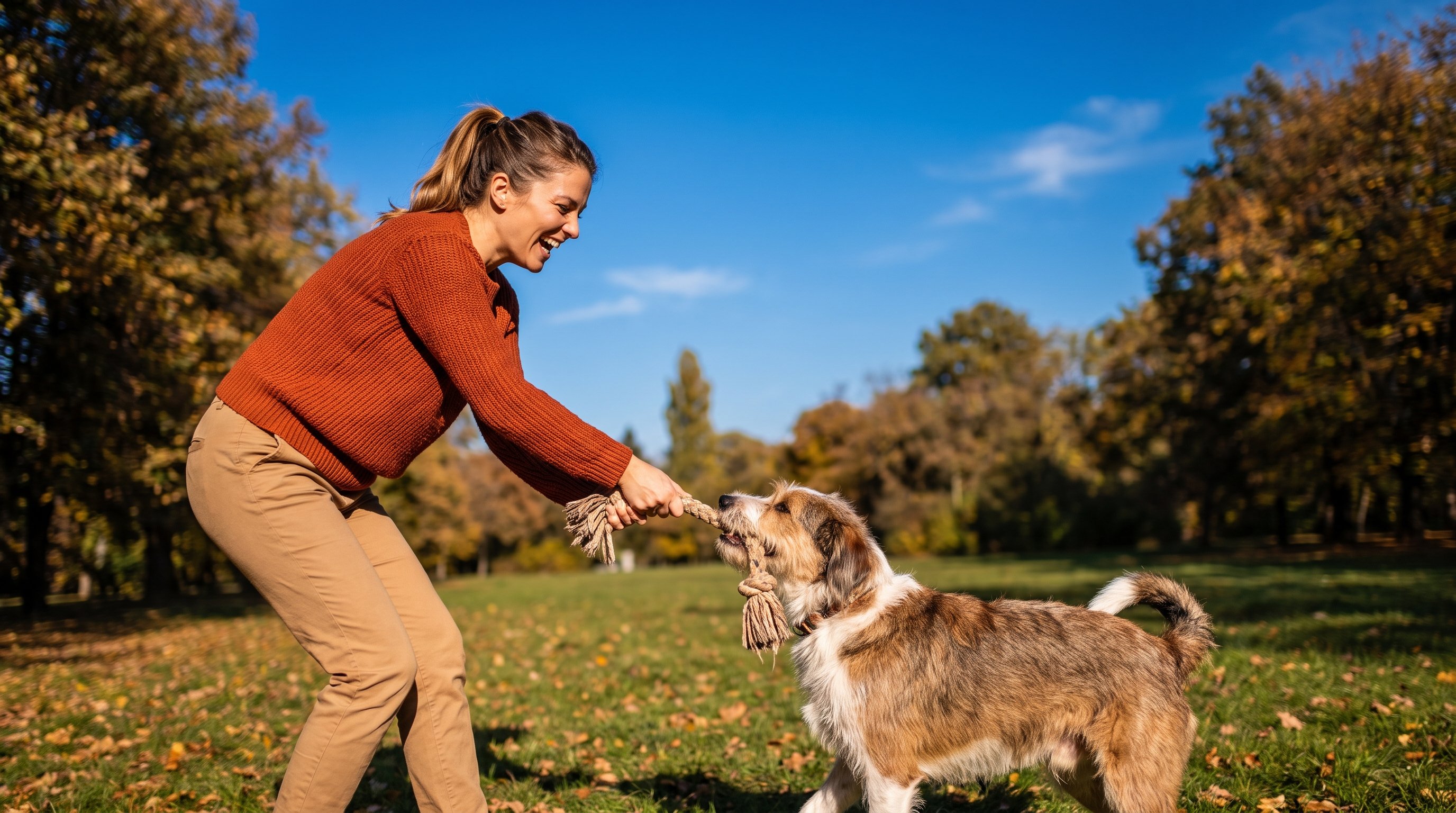
- Afternoon - a short burst of fetch or tug in the garden, followed by a new object or texture to investigate.
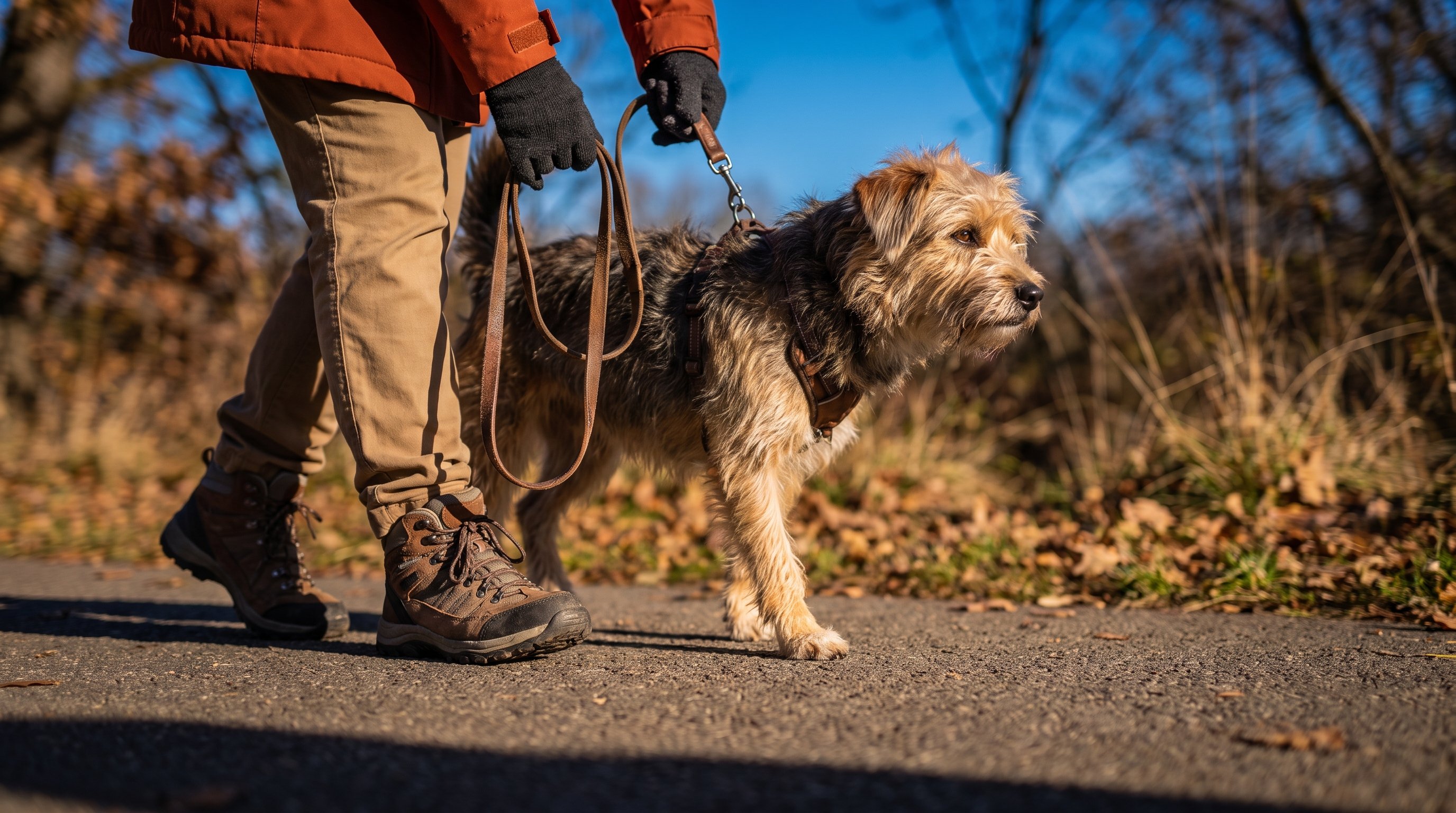
- Evening - a calm walk around the block and a chew to settle with before bed.
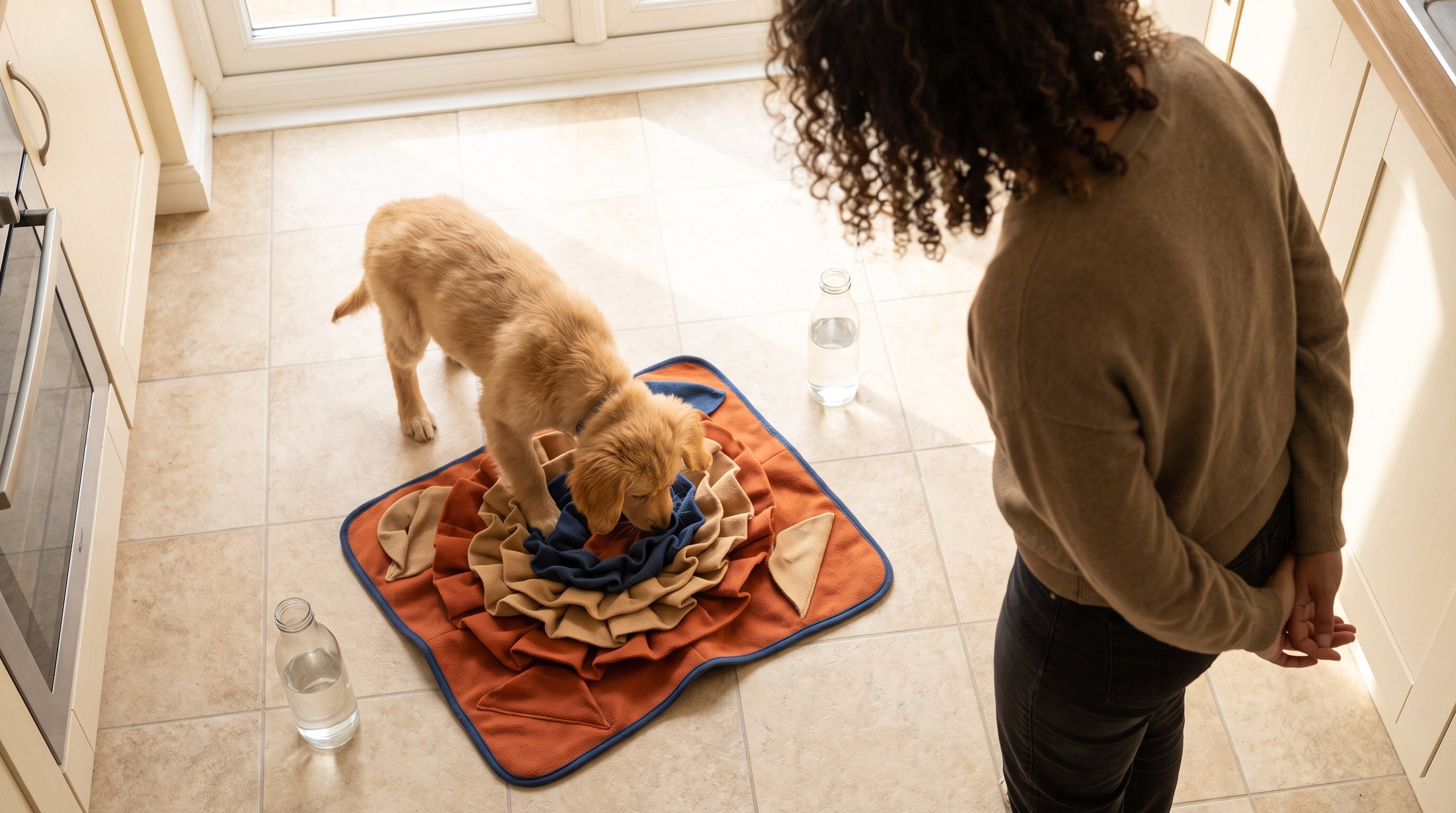
None of these sessions needs to run long. Five to ten minutes of focused activity, repeated across the day, does more than one long session ever will.
Fitting This Into a Normal Working Day
Most households can't manage four separate sessions without some planning, so it helps to anchor each one to something already happening.
A sniffing walk before work, a puzzle feeder during a lunch break, and a short play session after work cover most of the day without asking anyone to rearrange their schedule.
This is where having a plan matters more than having time. Raising Dog lays out age-appropriate activity ideas that slot into gaps you already have, so the question isn't whether you've got an hour spare - it's whether you've got five minutes, four times a day.
When a Puppy Starts Settling by Evening
It takes time for a mixed routine like this to show its effect, and that's normal rather than a sign something's wrong.
Some puppies settle into calmer evenings sooner than others, and breed, age and individual temperament all play a part in how quickly that shows up.
The households that stick with a consistent mix of physical and mental activity tend to notice the shift before the ones who only ever walk the dog, because the brain-tiredness piece is doing work the legs can't do alone.
Common Mistakes People Make Tiring Out a Puppy
Relying Only on Walks
A puppy that only ever walks builds stamina without learning to settle, so add a sniffing stop or a short training drill into every outing.
Skipping Rest Between Sessions
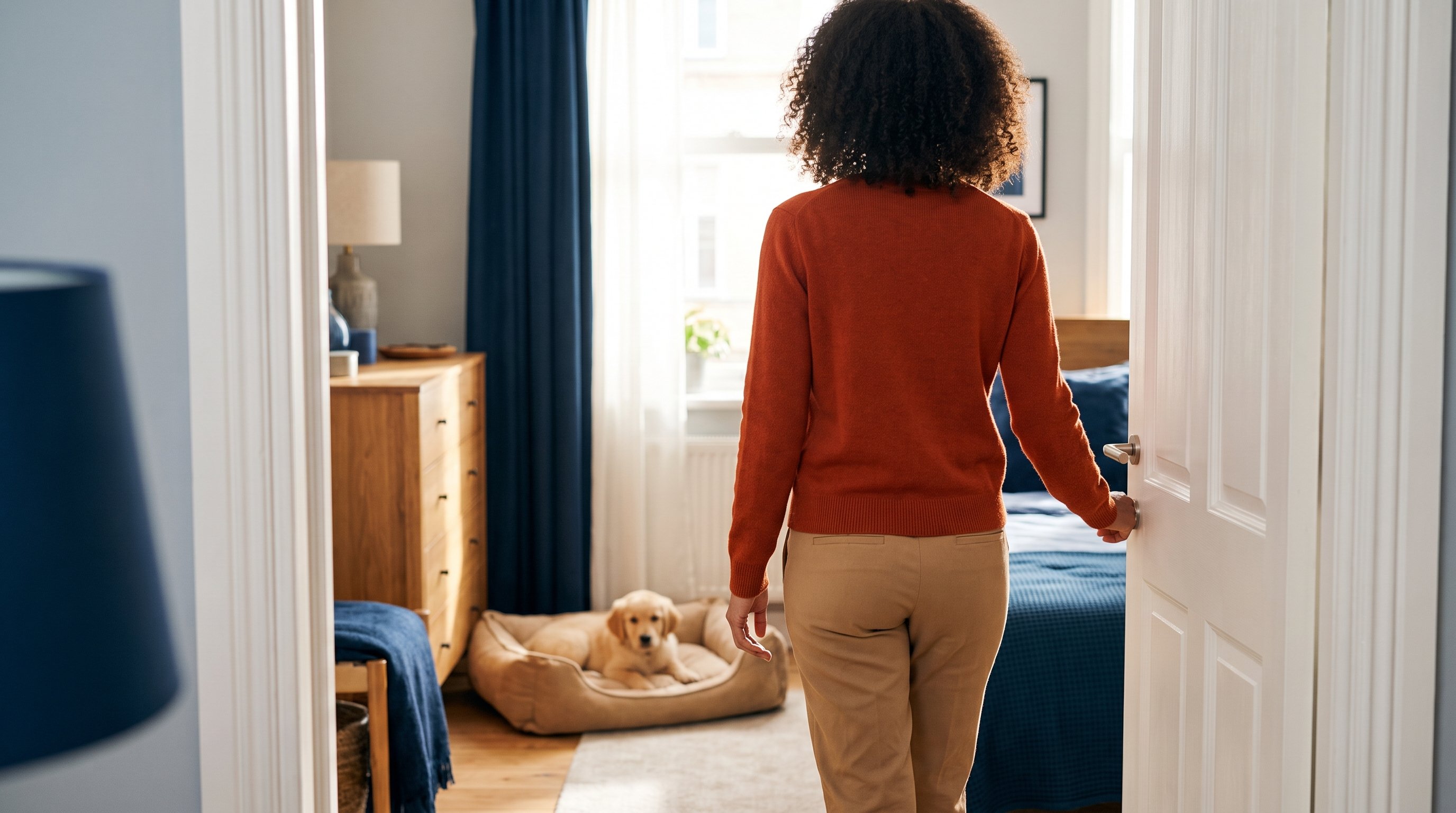
Back-to-back activity without a nap in between creates an overtired, wired puppy rather than a calm one, so build naps into the plan as deliberately as the activity.
One Long Session Instead of Several Short Ones
A single hour-long outing asks more of a young puppy's attention span than it can give, so split the same amount of time across the day instead.
Ignoring Mental Work Entirely
Physical exercise alone leaves the brain under-used, and an under-used brain often finds its own entertainment in chewing, barking or zooming, so puzzles and training drills aren't optional extras.
Expecting One Good Day to Fix Everything
A single tired evening doesn't change a puppy's baseline energy level, so the routine needs repeating most days before it becomes the new normal.
Building a Tire-Out Routine With Raising Dog
Generic advice to walk the dog more fails most households, not because the advice is wrong, but because it isn't built for your puppy's age, breed or your actual schedule.
Raising Dog gives you tailored activity and play ideas matched to your puppy's age and needs, plus over 100 training and play ideas to draw from when the usual walk-and-done routine stops working.
The assistant app tracks your puppy's progress alongside the book, so you can see what's actually settling your dog rather than guessing week to week.
Raise A Happy Dog
Train Your Dog Right
Giving Tonight's Routine a Mental Workout
Tiring out a puppy isn't about adding more distance to the walk - it's about giving the brain something to do alongside the body.
Pick one session today, a scatter-feed, a short training drill, a new object to sniff, and watch whether the evening feels different. Raising Dog can help turn that one session into a routine that holds up over weeks, not just one good night.
FAQ
It varies by age, breed and what's included in the session, but a mix of physical and mental activity spread across the day tends to work faster than one long walk. There's no fixed number of minutes that applies to every puppy.
Yes, which is exactly why exercise alone isn't the full answer - a fitter puppy with no mental outlet often has more energy, not less. Mental work needs to sit alongside the physical activity, not replace it.
Check whether rest is built into the day, since an overtired puppy with no naps can look just as wired as an under-exercised one. Raising Dog's lesson plans help balance activity and downtime so the two don't cancel each other out.
Yes, puppies get fitter and more capable quickly, so a routine that worked at ten weeks may need more mental challenge by four months. Adjusting the mix as the puppy grows is normal, not a sign the plan has failed.
Share this post