How To Bond With Your Dog: A Daily Approach That Works
By:Author:Raising Dog Editorial
Updated on:October 20, 2026
- Does Spending Time Together Actually Build a Bond?
- How Trust and Engagement Actually Form
- How Much Daily Interaction Bonding Actually Needs
- Structured Connection Beats Hoping It Happens Naturally
- Fitting Bonding Time Into a Normal Week
- The Myth of the Instant Dog-Owner Bond
- What Changes How Strong the Bond Gets
- Common Mistakes People Make Bonding With a Dog
- Building Your Bond With Raising Dog's Daily Activities
- Making Connection Part of Every Ordinary Day
Bonding with a dog comes down to repeated, predictable interactions that tell the dog you're safe and worth paying attention to. It isn't one big moment - it's dozens of small ones, stacked over weeks.
The mechanism is simple: dogs learn through pattern and consequence. When your presence reliably means calm handling, food, play or attention, the dog starts to associate you with good outcomes, and that association is what people call a bond.
This article covers whether bonding actually works as a deliberate process, what's happening underneath it, how much time it takes, and where people get it wrong.
Does Spending Time Together Actually Build a Bond?
Yes, but not just any time counts the same way. A dog left in the same room as you all day isn't necessarily bonding with you - it's interaction, not proximity, that does the work.
Here's the arithmetic: if you spend ten minutes a day on focused interaction - feeding by hand, a training game, a walk with engagement - that's roughly seventy minutes a week of direct relationship-building.
Compare that to eight hours a day in the same house with minimal interaction, and the dog has had far more exposure to you but far less actual connection. Quality of interaction outweighs hours logged.
How Trust and Engagement Actually Form
Bonding isn't one skill - it's really two separate things happening at once, and both need attention.
Predictability Builds Trust
Dogs relax around people whose behaviour they can predict - consistent feeding times, calm handling, no sudden corrections. Once a dog can predict you, it stops bracing for surprises and starts paying attention instead.
Shared Activity Builds Engagement
Play, training games and tricks give a dog a reason to look at you rather than the environment. Over repeated sessions, checking in with you becomes a habit, not just a response to a cue.
Put together, predictability makes you safe and shared activity makes you interesting - a dog needs both to actually want to be near you.
How Much Daily Interaction Bonding Actually Needs
There's no single number that fits every dog, but a short daily routine beats one long weekly session every time.
Spread It Across the Day
A few short pockets of focused interaction - morning, midday, evening - give a dog repeated reasons to check in with you rather than one isolated burst of attention.
| Time of Day | Activity | What It Builds |
|---|---|---|
| Morning | Hand-feeding or short training game | Starts the day with engagement |
| Midday | Five-minute trick practice | Breaks up the day, keeps focus sharp |
| Evening | Walk with check-ins | Builds engagement outside the house |
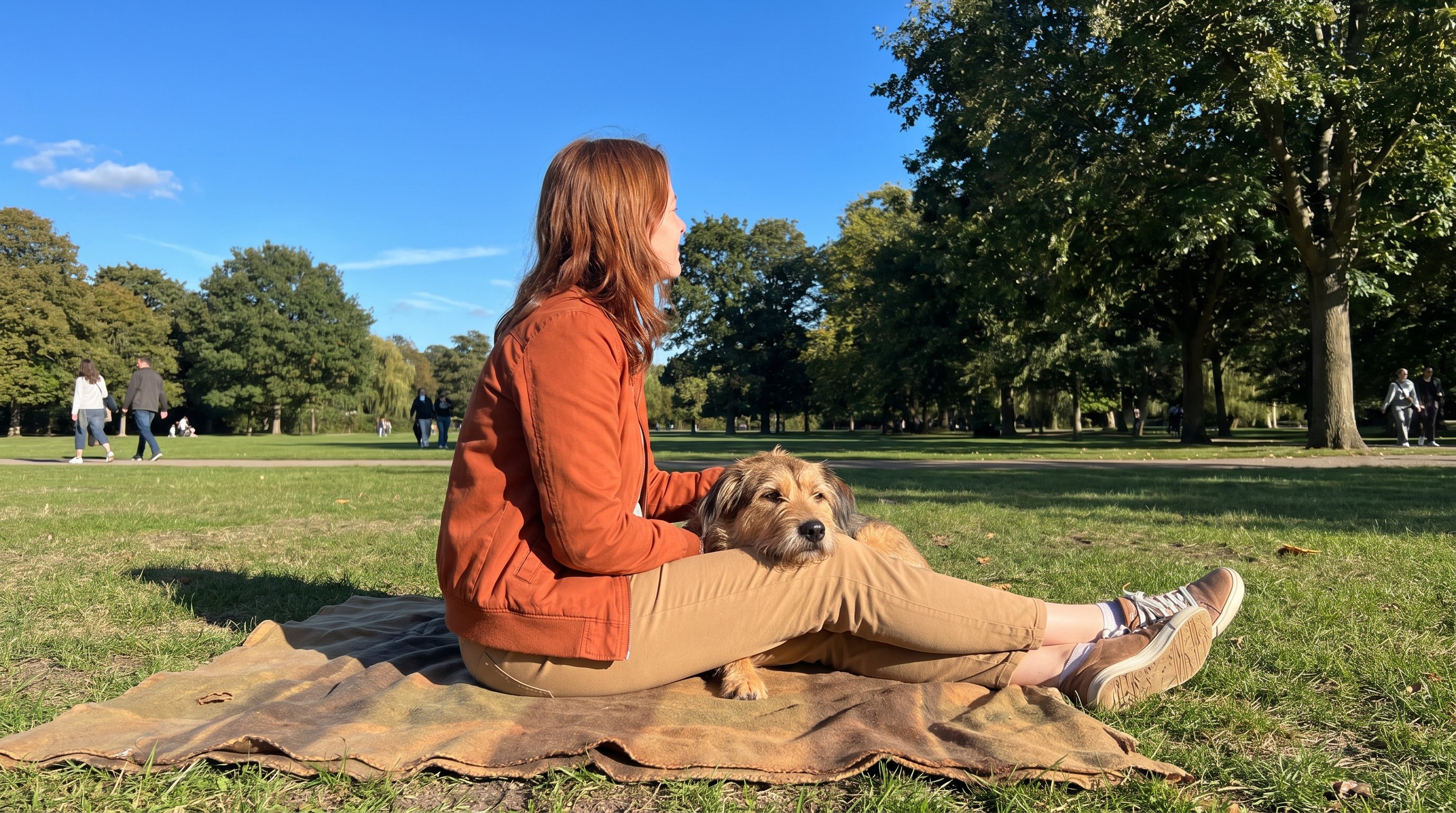
| Before Bed | Calm petting or quiet time | Reinforces safety and closeness |
Structured Connection Beats Hoping It Happens Naturally
The harder alternative is waiting for the bond to show up on its own - just living alongside the dog and assuming closeness will develop with time.
It sometimes does, eventually, but it's slower and less reliable because nothing is actively teaching the dog that you're worth paying attention to.
A short daily routine of games, training and calm handling gives the dog repeated, clear reasons to engage - it's easier to stick with because it takes minutes, not an open-ended wait.
Fitting Bonding Time Into a Normal Week
Most households don't need extra hours in the day - they need the time they already spend with their dog to count for more.
Mealtimes, the walk you're already doing, even five minutes before leaving for work can double as bonding time if there's a little structure to them.
This is where tricks and games for bonding from Raising Dog fit in - short, age-appropriate activities designed to slot into moments you're already spending with your dog, rather than asking for more time you don't have.
The Myth of the Instant Dog-Owner Bond
A lot of people expect bonding to click the way it does in films - one good walk, one great day, and suddenly the dog adores you.
That's not how it works, and it's worth saying plainly: there's no single session or timeframe that guarantees closeness, and expecting one can leave you feeling like you've failed when nothing has gone wrong.
The real answer is less dramatic but more dependable - bonding builds through repetition, and most dogs show more engagement as consistent interaction accumulates, not after one standout moment.
What Changes How Strong the Bond Gets
Not every bonding activity carries the same weight - a few factors matter more than the rest.
What Moves the Needle Most
- Consistency - a dog that can predict your behaviour relaxes faster than one dealing with unpredictable routines or handling.
- Activities tailored to the dog - games and tricks matched to age and energy level hold a dog's attention far longer than generic play.
- Calm handling during ordinary moments - how you act at mealtimes, on walks and during downtime matters more than any single dramatic gesture.
Common Mistakes People Make Bonding With a Dog
Treating Attention As Optional
Giving a dog attention only when it's convenient sends an inconsistent signal. Build a few fixed moments into the day so engagement becomes a habit rather than an afterthought.
Relying Only on Walks
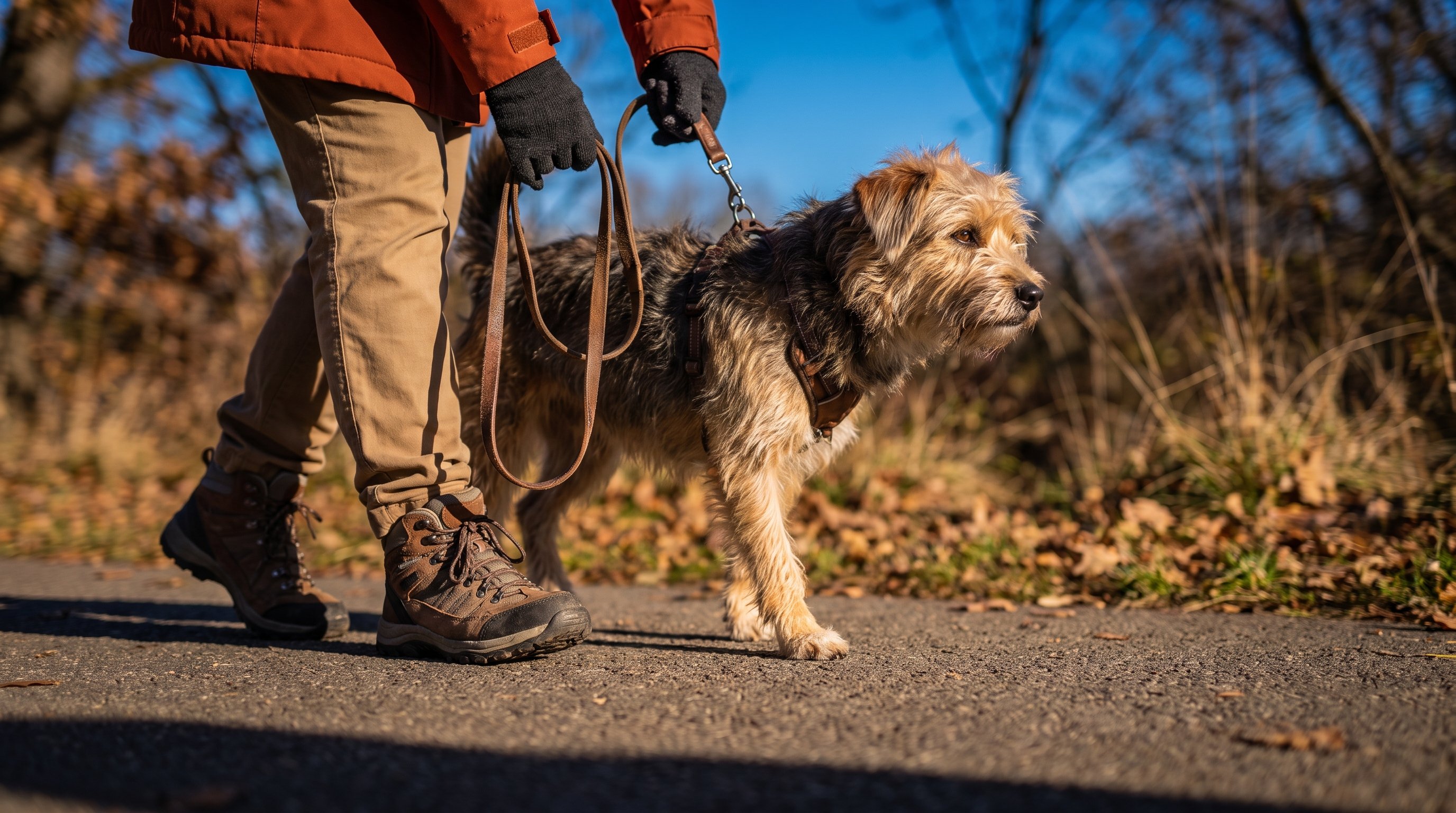
Walking side by side doesn't automatically build engagement if there's no interaction happening. Add check-ins, short recalls or a quick game mid-walk so the dog is paying attention to you, not just the scenery.
Skipping Play for Training
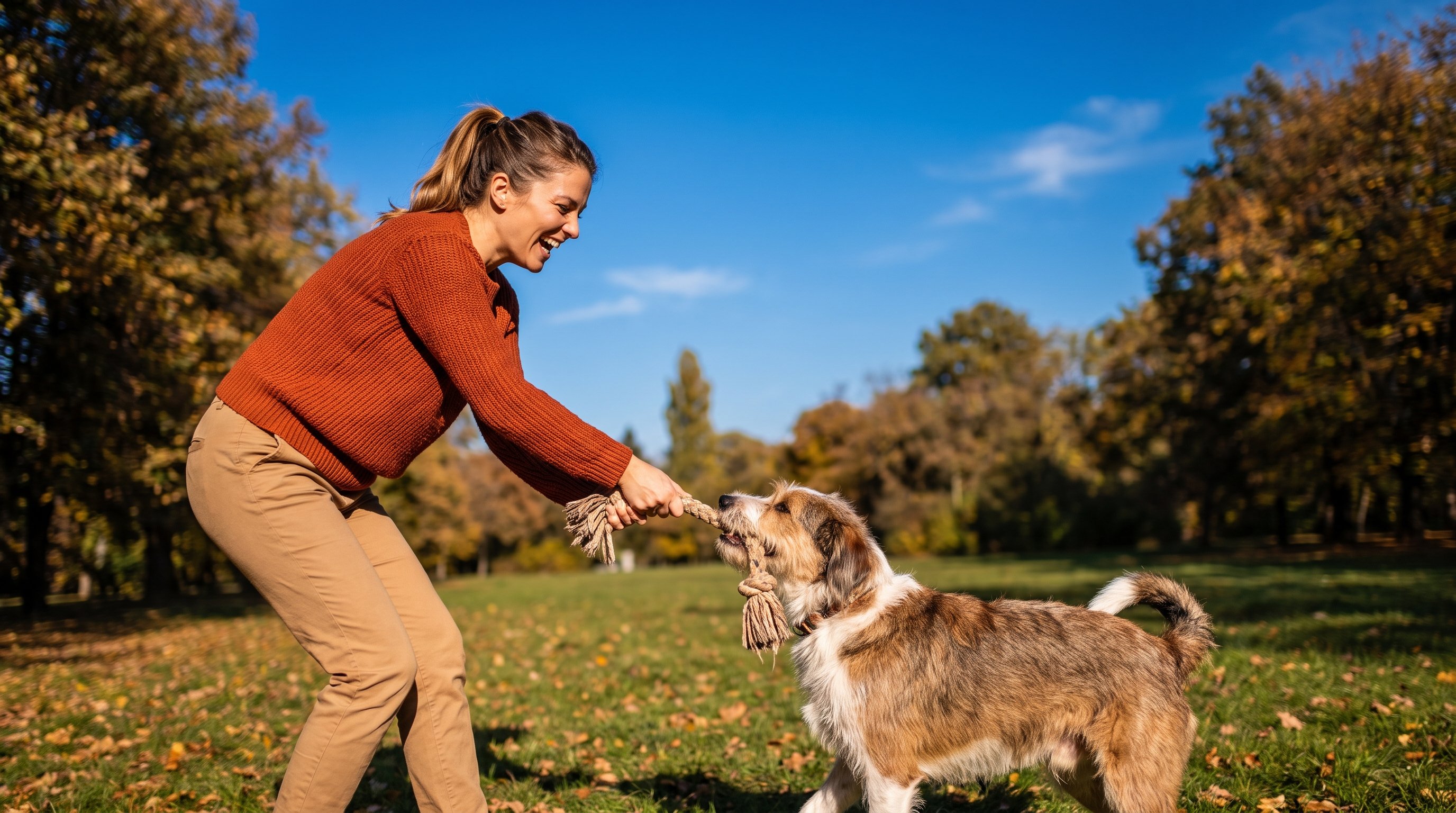
Training alone can feel like work to a dog. Mixing in games and tricks keeps sessions enjoyable, which makes the dog more likely to seek you out later.
Expecting Quick Results
Judging the bond after a few days sets an unfair bar. Give the routine weeks, not days, before deciding whether it's working.
Building Your Bond With Raising Dog's Daily Activities
Generic bonding advice tends to miss the point because every dog responds to different games, different paces and different levels of challenge.
Raising Dog offers content tailored to your dog's age and unique needs, with over 100 training and play ideas and a set of tricks and games built specifically for bonding rather than obedience alone.
The companion app tracks your dog's progress and gives actionable insights along the way, so you're not guessing whether the routine is actually landing - it's a plan, not just a hope.
Raise A Happy Dog
Train Your Dog Right
Making Connection Part of Every Ordinary Day
The strongest bonds come from the smallest repeated moments - the five minutes before work, the game after dinner, the calm scratch before bed.
Pick one of those moments tonight and give it a little structure, whether that's a short trick, a hand-feeding session or a focused walk, and let Raising Dog fill in the rest of the plan as you go.
FAQ
There's no fixed timeline, since it depends on the dog's history, age and how consistent the daily interaction is. What matters more than speed is whether the routine keeps happening.
Yes, the same mechanism applies at any age - predictability plus shared activity. Older and rescue dogs may just need a slower, calmer start before engagement picks up.
Not every dog responds to the same games, so it's worth trying a few different styles - food-based, movement-based, scent-based - before assuming nothing works. Raising Dog's activities are built around age and energy level, which helps narrow down what a particular dog actually enjoys.
Yes, especially in the first few weeks when the dog is still learning what to expect from you. Steady, low-key consistency usually matters more than any single big gesture.
Share this post