How To Socialize A Puppy: A Calm Week-By-Week Plan
By:Author:Raising Dog Editorial
Updated on:October 20, 2026
- The Myth of the Puppy Social Butterfly
- What Actually Happens When a Puppy Meets Something New
- What Changes How Confident a Puppy Becomes
- A Sample Week of Calm Puppy Outings
- Fitting Socializing Into a Normal Working Week
- When Puppies Typically Stop Startling at Everything
- Common Mistakes People Make Socializing a Puppy
- Raising Dog's Plan for Socializing a Puppy by Age
- Starting Your Puppy's Next Outing Today
Socializing a puppy means giving them calm, varied exposure to new people, places, sounds and surfaces, in small enough doses that they stay relaxed rather than overwhelmed. It is not about meeting as many dogs as possible as fast as possible.
The mechanism is simple: a puppy learns that new things are safe by experiencing them at a pace their nervous system can handle, then having that experience repeated until it stops feeling new at all.
This guide covers what the socialization window actually means, how exposure and recovery work together, a sample week you can copy, where this usually goes wrong, and how to fit it around a normal life.
The Myth of the Puppy Social Butterfly
A lot of advice treats socializing like a checklist: meet twenty dogs, visit ten locations, tick every box before sixteen weeks. That version sets puppies up to be flooded rather than confident.
A puppy dragged to a crowded market or forced to greet every dog on the street does not learn the world is safe. They learn the world is loud, unpredictable and a bit much, and some puppies carry that forward.
The real answer is quieter and slower: fewer, shorter, calmer exposures beat a packed schedule of big outings. Quality of experience matters more than the number of ticks on a list.
What Actually Happens When a Puppy Meets Something New
Socializing works through two separate processes happening together: exposure to new things, and the puppy's own recovery time between them.
Exposure Builds Familiarity, Not Excitement
Each calm encounter with a new sound, surface or stranger gets filed away as 'already seen this, it was fine'. A puppy who meets a wheelie bin at a distance and sniffs it without drama has just learned bins are boring, which is exactly the goal.
Recovery Time Lets the Lesson Stick
A puppy who goes straight from one new thing to another, with no quiet time in between, does not get the chance to settle and process what just happened. Downtime after an outing is part of the training, not a pause from it.
Put together, this is why a short, calm walk past a schoolyard can do more good than an hour at a crowded dog park.
What Changes How Confident a Puppy Becomes
Three things shift the outcome more than anything else.
Factors That Shape Socialization Outcomes
- Distance from the new thing - a puppy watching a skateboard from across the street learns differently than one startled by it passing close, so start far and let the puppy choose to get closer.
- The puppy's state before the outing - a tired, hungry or already-anxious puppy has less capacity to cope with anything new, so timing matters as much as the activity itself.
- What happens right after a scare - a calm, unbothered reaction from the owner after a startle teaches the puppy there was nothing to worry about; a big fuss teaches the opposite.
A Sample Week of Calm Puppy Outings
This is one way to spread exposures across a week without overloading a puppy.
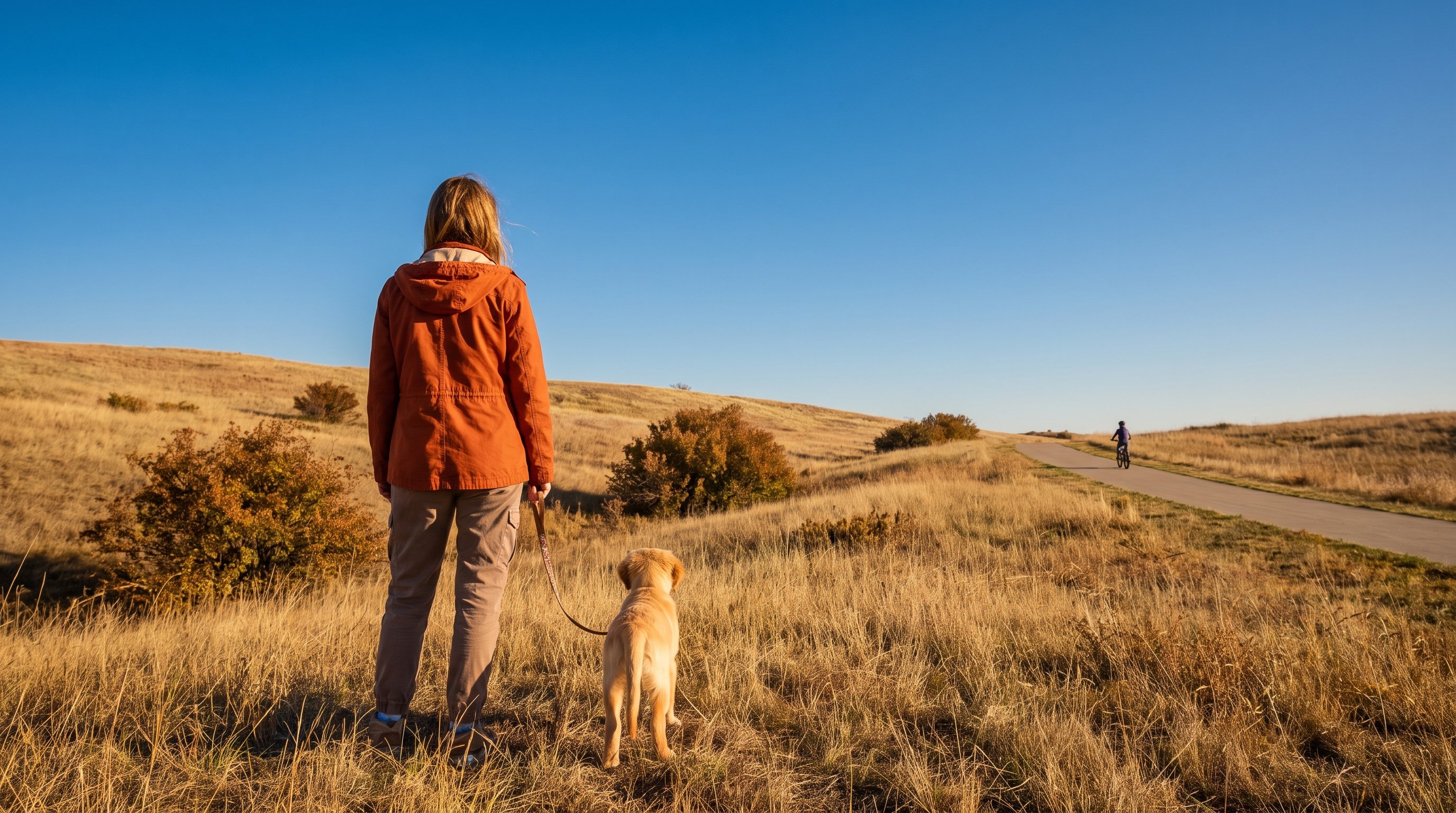
One Week, Spread Thin on Purpose
- Day one - short walk around the block, just traffic sounds and a few strangers at a distance.
- Day two - rest day at home with new textures to walk on, like a bath mat or bubble wrap under supervision.
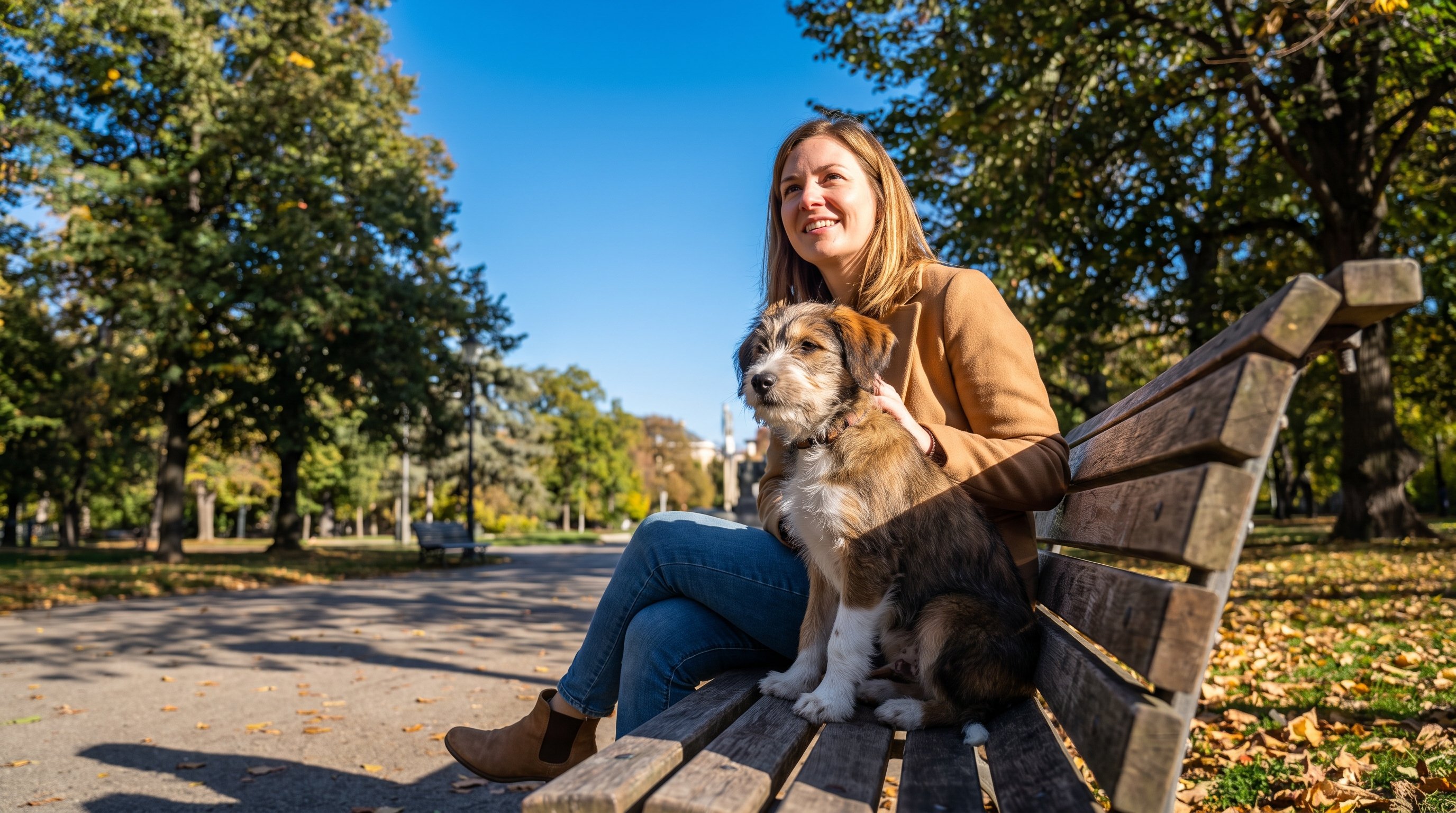
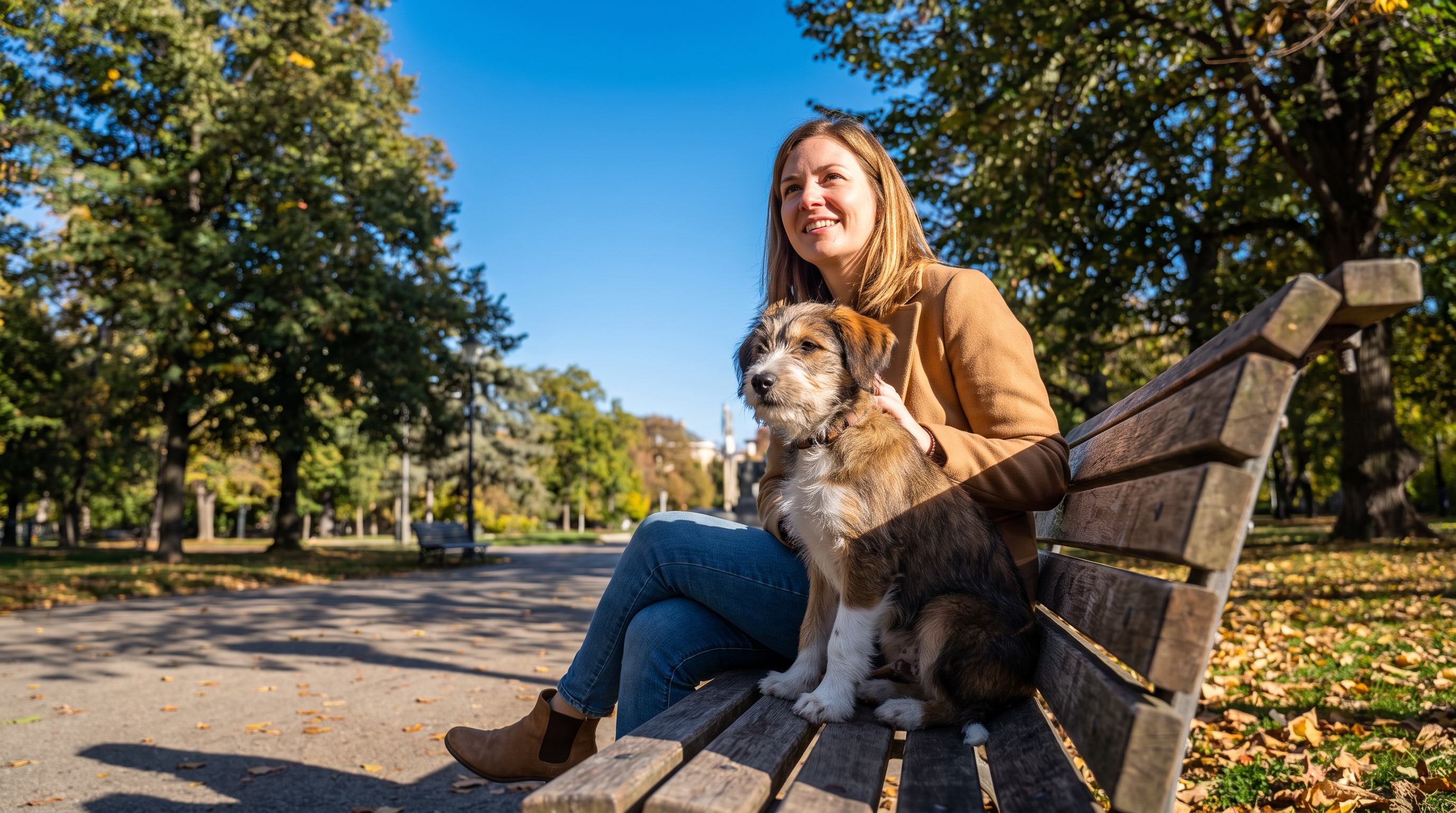
- Day three - five minutes near a quiet park bench, watching people and dogs pass without approaching.
- Day four - a car ride to nowhere in particular, just to make the car itself feel ordinary.
- Day five - rest day, visitors at home greeting calmly rather than rushing in.
- Day six - a slightly busier street, still at a distance from the busiest parts.
- Day seven - rest day, short grooming handling practice like touching paws and ears.
Fitting Socializing Into a Normal Working Week
Most of this takes ten to fifteen minutes a day, which is realistic even around a job, school runs or a baby in the house.
Short sessions before or after work cover more ground than one long weekend outing, because the puppy gets repeated small doses instead of one big one.
Raising Dog's lesson plans break this down by the puppy's age, so you are not guessing which exposures matter this week versus next month.
When Puppies Typically Stop Startling at Everything
There is no single day when a puppy becomes fully confident, and it is worth being wary of anyone promising one.
What tends to happen instead is gradual: fewer startles at familiar sounds, a bit more curiosity instead of caution, a dog who recovers faster from the odd surprise.
Some puppies settle into new environments quicker than others, and temperament plays a part that no schedule can override. Steady, repeated exposure is still the thing most within your control.
Common Mistakes People Make Socializing a Puppy
Forcing Greetings With Every Dog or Stranger
A puppy does not need to meet every dog on the street to be well socialized. Let the puppy choose to approach, and it is fine to walk past plenty of dogs without a greeting at all.
Treating One Big Outing As Enough
A single trip to a busy event does not cover months of gradual exposure. Short, frequent, low-key outings do more than one dramatic one.
Comforting Fear in a Way That Reinforces It
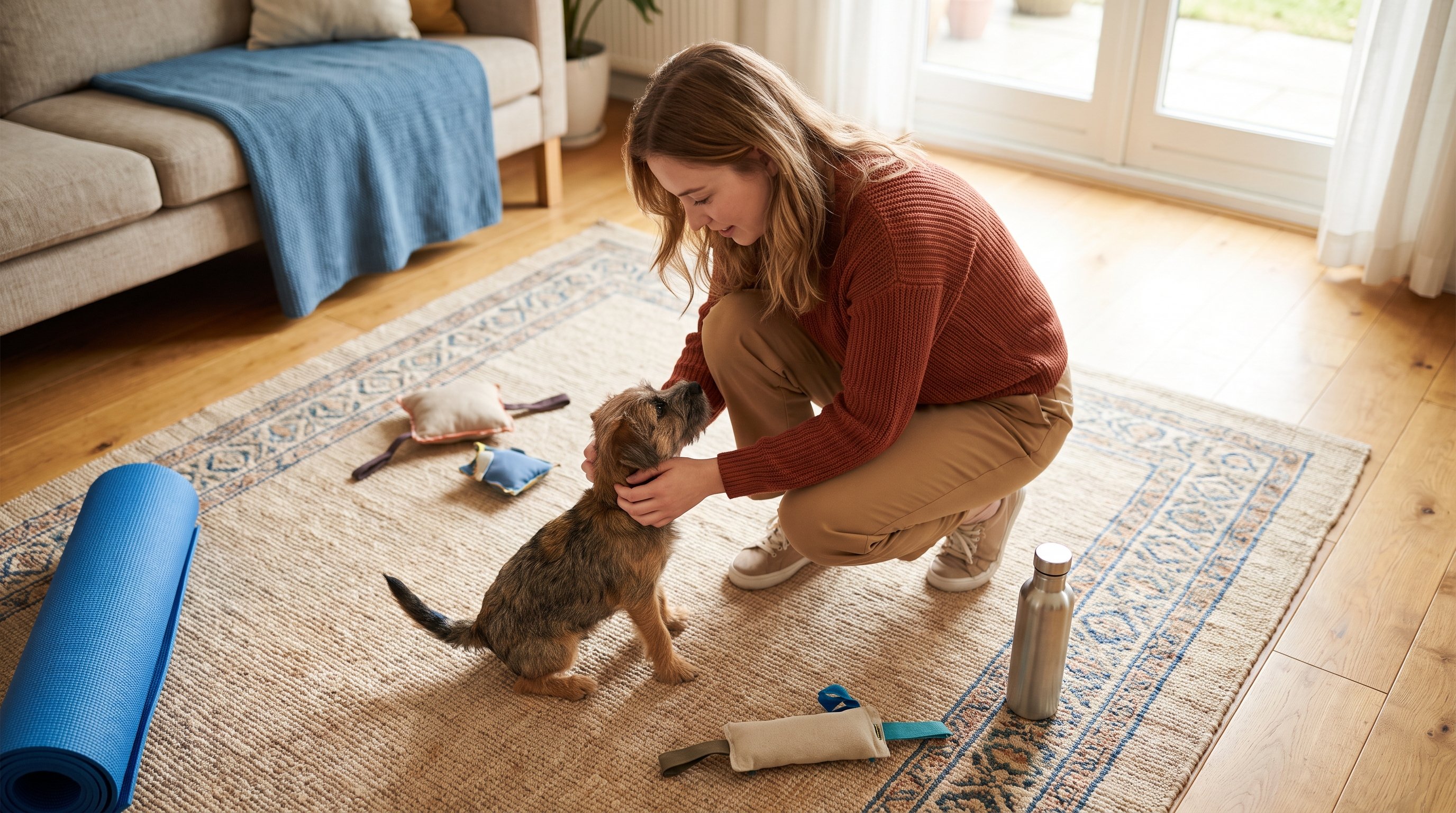
Scooping a startled puppy up and fussing over them can confirm that something really was scary. Staying calm and giving the puppy space to recover on their own feet usually helps more.
Skipping Recovery Days Entirely
Back-to-back outings with no rest in between do not leave room for a puppy to process what they have just learned. Building in quiet days is part of the plan, not a gap in it.
Ignoring Handling and At-Home Exposure
Socializing is not only about the outside world. Getting a puppy used to being touched, brushed and handled at home matters just as much as meeting new people.
Raising Dog's Plan for Socializing a Puppy by Age
Generic socializing checklists do not account for the fact that an eight-week-old puppy and a five-month-old puppy need different things on different timelines.
Raising Dog gives you lessons tailored to your dog's age and needs, so the exposures you are working through actually match where your puppy is right now rather than a generic average.
The book also covers tips to overcome behavior issues, tricks and games for bonding, over 100 training and play ideas, and guidance on your dog's health and nutrition, so socializing sits inside a wider plan rather than as a standalone task. The companion app tracks your dog's progress and gives you actionable insights along the way, so you always know what to try next.
Raise A Happy Dog
Train Your Dog Right
Starting Your Puppy's Next Outing Today
Pick one short outing for later today: a quiet street, a few minutes near a bench, a car ride with no destination. Keep it brief, keep it calm, and let your puppy set the pace.
Raising Dog can help you plan what comes after that first outing, so the next few weeks build on each other instead of starting from scratch each time.
FAQ
It can start as soon as a puppy comes home, as long as outings stay short and low-key around unfamiliar dogs until vaccinations are complete. Handling, household sounds and car rides can all begin straight away.
A friendly puppy at home does not automatically generalize that calm to buses, vacuum cleaners or strange dogs on leads. Socializing widens what feels familiar, rather than fixing a problem that exists.
Ten minutes a day of calm, varied exposure covers more ground than one long outing on a weekend. Raising Dog's age-based lessons are built around short daily sessions for exactly this reason.
Socializing is not a single closing door at a fixed age, even if early weeks matter most. An older puppy can still build familiarity with new things, just at a pace that respects what they have already learned to find scary.
Share this post