How To Stop Dog Pulling On Leash: A Calm, Steady Fix
By:Author:Raising Dog Editorial
Updated on:October 20, 2026
- A Week of Loose-Leash Walks That Builds Real Habits
- How Often to Practise Loose-Leash Walking Each Day
- Stop-And-Wait Versus Fighting the Leash
- Making Loose-Leash Walking Fit a Normal Routine
- Adjusting Leash Training for Different Dogs and Owners
- When Leash Pulling Usually Starts to Ease
- Teaching Loose-Leash Walking With Raising Dog's Lesson Plans
- Turning Tonight's Walk Into the First Rep
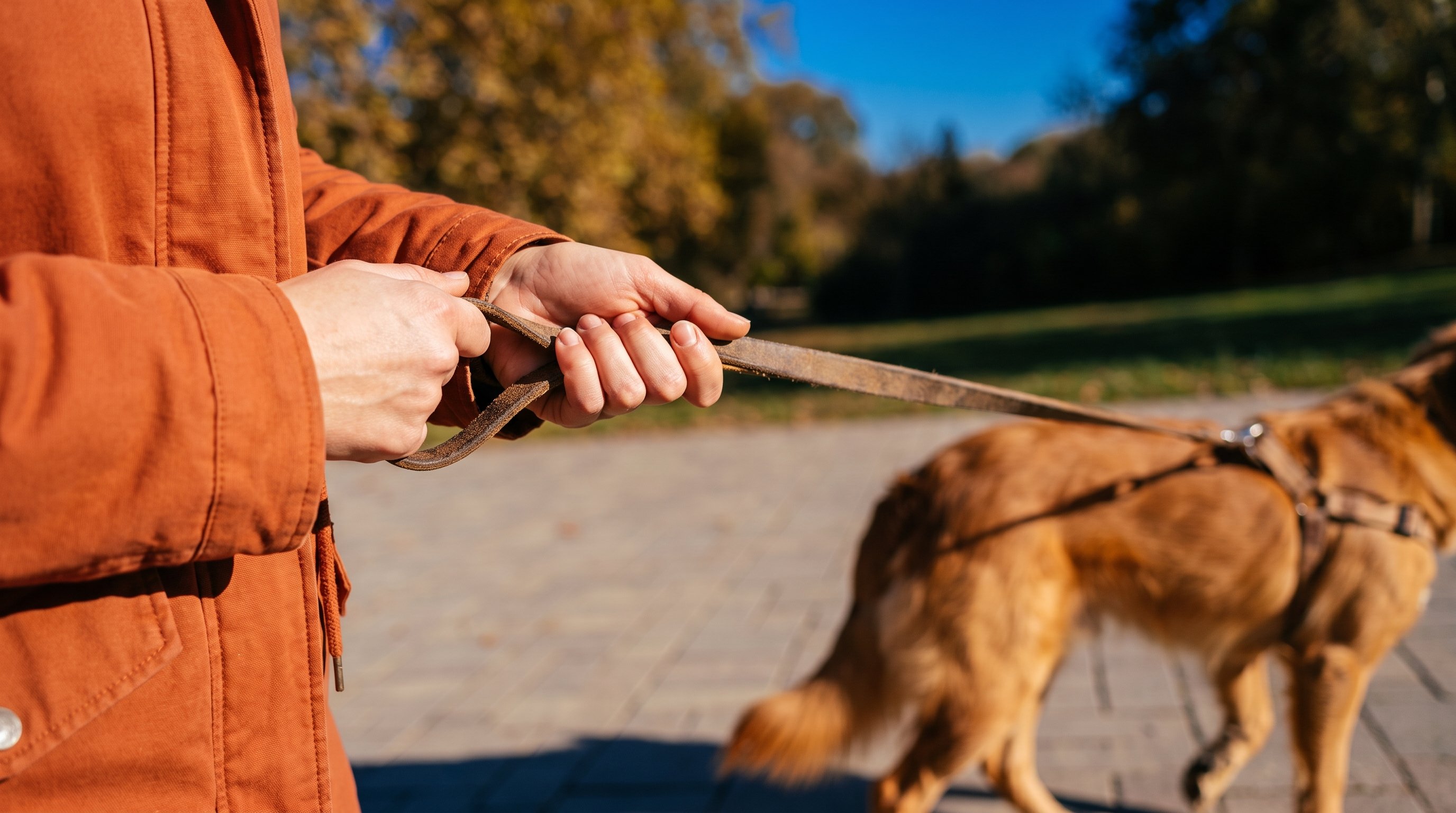
The fastest way to stop a dog pulling on leash is to stop moving the second the lead goes tight, then only walk forward on a loose leash. Pulling works because it gets the dog where it wants to go faster - take that reward away and the behaviour has nothing left to run on.
This is about consequence, not correction. A dog pulls because forward motion has always followed pulling, so the fix is simply changing what forward motion depends on.
This article covers a weekly routine you can copy, how often to practise, why the stop-and-wait method beats fighting the leash, and how to adjust it for different dogs and households.
A Week of Loose-Leash Walks That Builds Real Habits
Loose-leash walking isn't taught in one outing. It's built across a week of short, repeated walks where the same rule holds every single time.
A Sample Week
- Monday to Friday mornings - a 10 minute walk around the block, stopping every time the leash tightens
- Monday to Friday evenings - a second short walk, same rule, ideally a different route to keep it interesting
- Saturday - one longer walk, 20 to 25 minutes, somewhere with a few more distractions
- Sunday - a lighter day, one relaxed walk with no pressure to get it perfect
How Often to Practise Loose-Leash Walking Each Day
Short and frequent beats long and rare for this particular skill.
Why Frequency Matters More Than Duration
A dog that practises loose-leash walking twice a day gets twice as many chances to learn that pulling stalls the walk. One long walk a week gives far fewer of those moments, even if the total minutes add up similarly.
| Situation | Walk Frequency | Suggested Length |
|---|---|---|
| New to leash manners | 2 short walks daily | 10 to 15 minutes |
| Making steady progress | 2 walks daily | 15 to 20 minutes |
| Mostly loose-leash already | 1 to 2 walks daily | 20 to 30 minutes |
| High-distraction areas | Practise separately first | 5 to 10 minutes |
Stop-And-Wait Versus Fighting the Leash
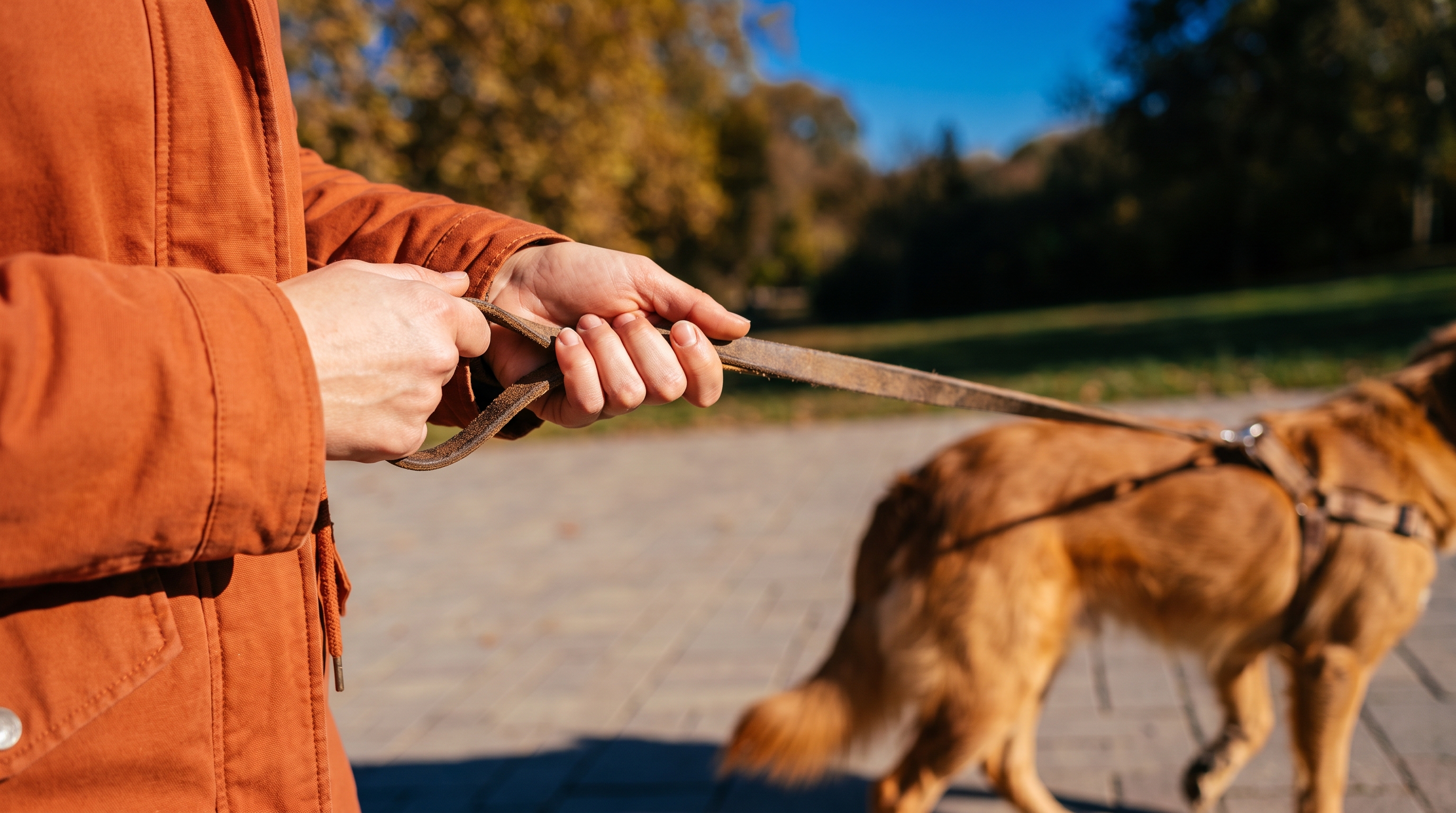
There are really only two approaches here: stop-and-wait, where you freeze the second the leash tightens and move again only when it slackens, or pulling back against the dog to force a correction.
Pulling back might stop the dog for a second, but it also puts constant tension on the leash, which many dogs read as a reason to pull harder, not less.
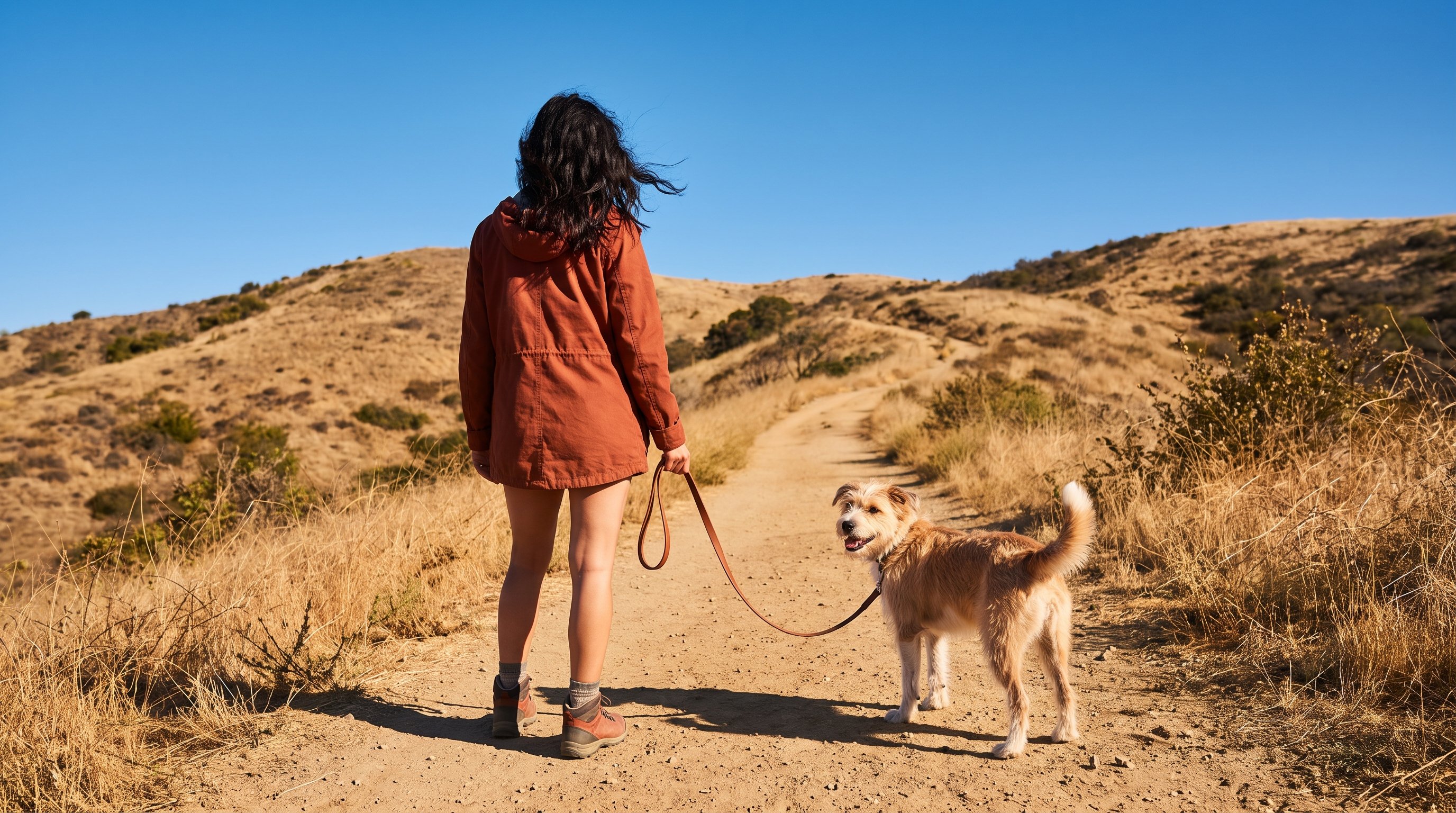
Stop-and-wait asks for nothing except patience. The walk simply doesn't continue until the leash is loose, so the dog works out the pattern on its own terms rather than being forced into it.
That's why stop-and-wait tends to stick. It's not faster in the first five minutes, but it doesn't rely on the dog matching your strength, and it doesn't need repeating with more force each time.
Making Loose-Leash Walking Fit a Normal Routine
The stop-and-wait method doesn't need extra time carved out of the day - it just changes how the existing walk gets used.
The same walk you'd take anyway becomes the practice session, which means there's no new slot to find in an already full schedule.
This is where having a clear plan helps rather than guessing on the spot. Raising Dog lays out leash-walking lessons that match your dog's age and current habits, so you know what today's walk is actually working on instead of improvising route by route.
Adjusting Leash Training for Different Dogs and Owners
Puppies Still Learning the Basics
Young puppies tire out fast and lose focus quickly, so shorter, more frequent walks work better than one long session. Keep the bar low - a few metres of loose leash is worth celebrating at this stage.
Busy Owners With Tight Mornings
If mornings are rushed, the stop-and-wait method still works on a short five-minute walk - it just needs consistency more than length. A quick, well-managed walk beats a long one where the rule gets dropped halfway through.
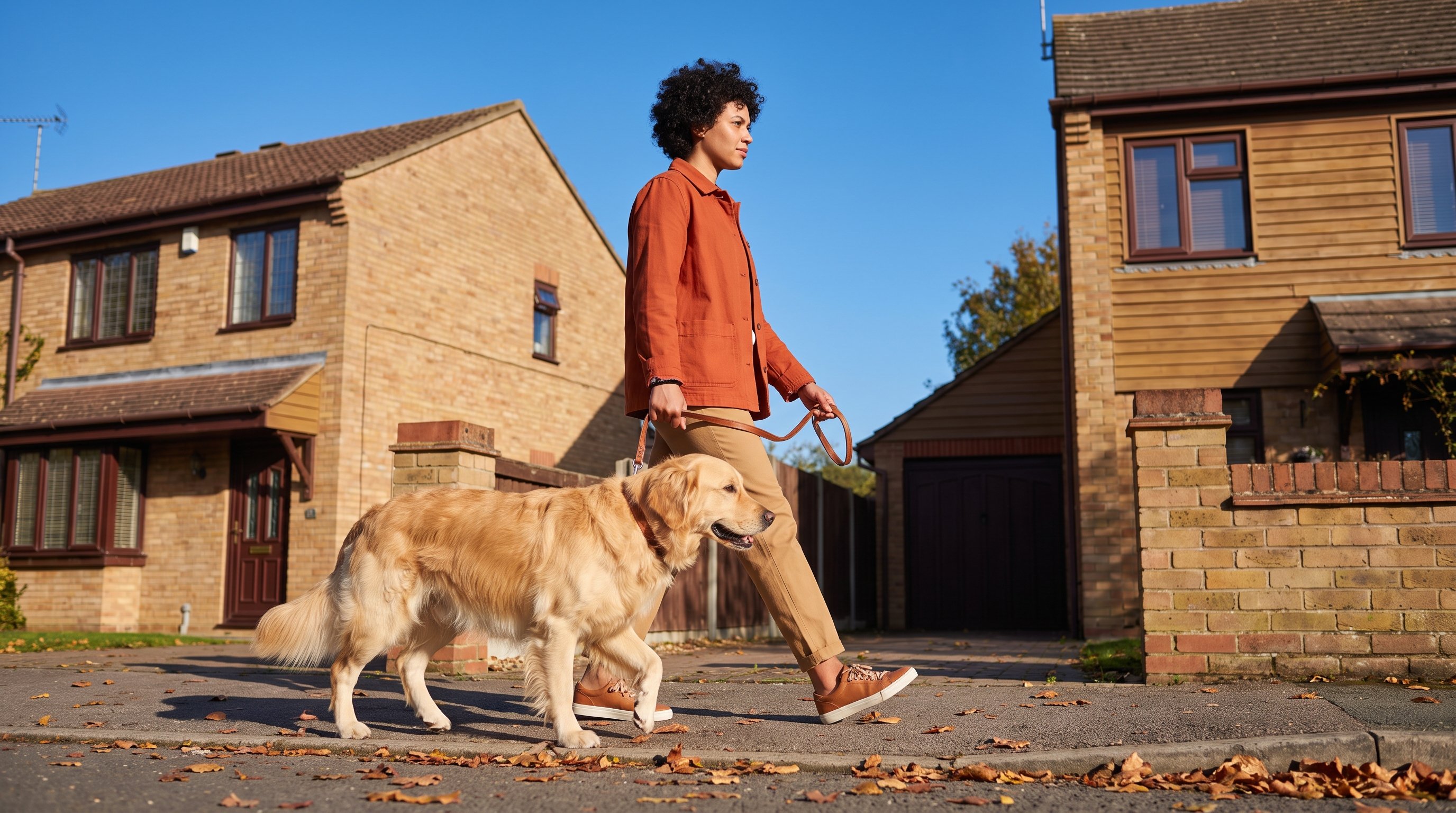
Strong or Older Dogs With Established Habits
A dog that's pulled for years has more practice at pulling than at walking loose, so expect the stop-and-wait pattern to take longer to land. Shorter walks in calmer areas give the new habit more room to take hold before distractions get added back in.
Multi-Dog Households
Training two dogs on leash at once usually slows both down, so separate walks - even short ones - tend to work better while the habit is still forming. Once each dog walks loosely alone, joint walks get easier to manage.
When Leash Pulling Usually Starts to Ease
Most people quit right around the point where progress is about to show, usually because the first few walks don't look different enough to feel worth it.
Expect the early walks to involve a lot of stopping - that's the method working, not failing.
Over time the stops get shorter and further apart as the dog starts checking the leash tension itself instead of leaning into it. There's no fixed week this happens by, and dogs with longer pulling histories simply need more repetitions before it clicks.
Teaching Loose-Leash Walking With Raising Dog's Lesson Plans
Generic leash advice tends to assume every dog starts from the same place, which is rarely true.
A puppy pulling out of excitement and an older dog pulling out of habit need different pacing, even if the underlying method - stop-and-wait - stays the same.
Raising Dog builds its leash lessons around your dog's age and current habits, so the walk you do tonight matches where your dog actually is, not a generic starting point. The app alongside it tracks how each walk goes, so you can see tension easing over time instead of guessing whether it's working.
Raise A Happy Dog
Train Your Dog Right
Turning Tonight's Walk Into the First Rep
Loose-leash walking doesn't need special equipment or a perfect location - it needs one clear rule applied the same way every time the leash goes tight.
Pick the next walk on the calendar and treat it as rep one, not a test to pass or fail.
A clear plan, like the one inside Raising Dog, just means each rep builds on the last instead of starting from scratch every walk.
FAQ
There's no fixed timeline - it depends on how long the dog has practised pulling and how consistently the stop-and-wait method gets applied. Dogs with years of pulling habit typically need more repetitions than puppies just starting out.
The walk still happens, it just moves at the pace of a loose leash rather than a tight one. Once the dog learns that pulling pauses the walk, the stops get shorter and the walk starts flowing normally again.
Some dogs test the new rule before settling into it, which is a normal part of the pattern breaking down. Staying still and waiting out the tension, rather than stepping backward or forward, keeps the rule consistent while that testing phase passes.
The stop-and-wait method works with a standard flat collar or harness - it's the pattern that changes behaviour, not the equipment. Raising Dog's lesson plans cover equipment choices alongside the method, so you can match the setup to your dog's size and pulling strength.
Share this post