How To Train A Reactive Dog: A Calm, Steady Approach
By:Author:Raising Dog Editorial
Updated on:October 20, 2026
- What a Calm Training Week Looks Like
- How Often to Practise Distance Work
- Why Gradual Distance Beats Forcing a Greeting
- Fitting Reactive Dog Training Into a Full Week
- Adjusting the Plan for Different Dogs
- When Reactive Behaviour Usually Starts to Ease
- Working Through Reactive Dog Training With Raising Dog
- Starting Your Next Walk at the Right Distance
Training a reactive dog means managing distance from triggers first, then slowly teaching a calmer response, rather than trying to stop the barking or lunging directly.
Reactivity is usually fear, frustration or over-arousal, not disobedience. The dog's brain is flooded before it can think, so the fix is reducing that flood and rebuilding a new association one small rep at a time.
This guide covers what a working week looks like, how often to practise, why gradual distance work beats confrontation, and how to adapt the plan for different dogs and households.
What a Calm Training Week Looks Like
A reactive dog does better with short, repeatable sessions spread across the week than one long outing aimed at a tough trigger.
A Sample Week
- Monday - Quiet street walk, focus on watching for triggers from a distance and rewarding calm glances.
- Tuesday - Short garden or driveway session practising name response with no distractions nearby.
- Wednesday - Walk at a quieter time of day, parking further from dogs or people than usual.
- Thursday - Rest from trigger exposure, indoor games and settle practice instead.
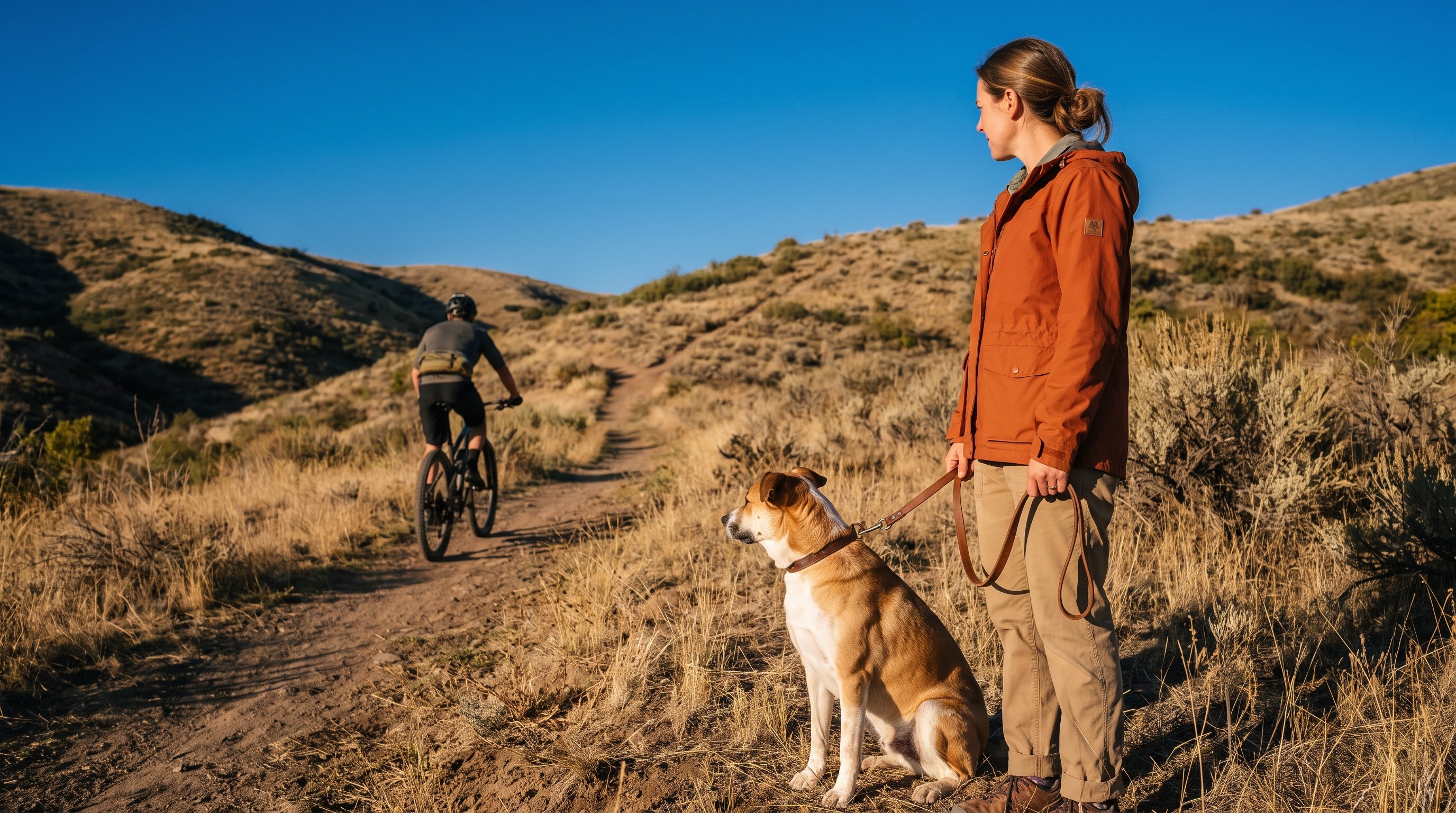
- Friday - Controlled pass-by at a distance where the dog can still take treats and look at you.
- Weekend - Longer walk somewhere familiar, repeating whichever exercise went well that week.
How Often to Practise Distance Work
Short and Frequent Beats Long and Rare
Reactive dogs tend to make more progress from several brief sessions a week than from one big exposure. Each session should end while the dog is still calm, not after it has already reacted.
| Situation | Weekly Frequency | Main Focus |
|---|---|---|
| New to reactivity work | 3 to 4 short sessions weekly | Distance and calm watching |
| Some progress already made | 4 to 5 sessions weekly | Closing distance gradually |
| Busy household | 2 to 3 sessions weekly | Quiet-time walks only |
| Multiple known triggers | Daily short sessions | One trigger type at a time |
| Older or anxious dog | 2 sessions weekly | Familiar, low-pressure routes |
Why Gradual Distance Beats Forcing a Greeting
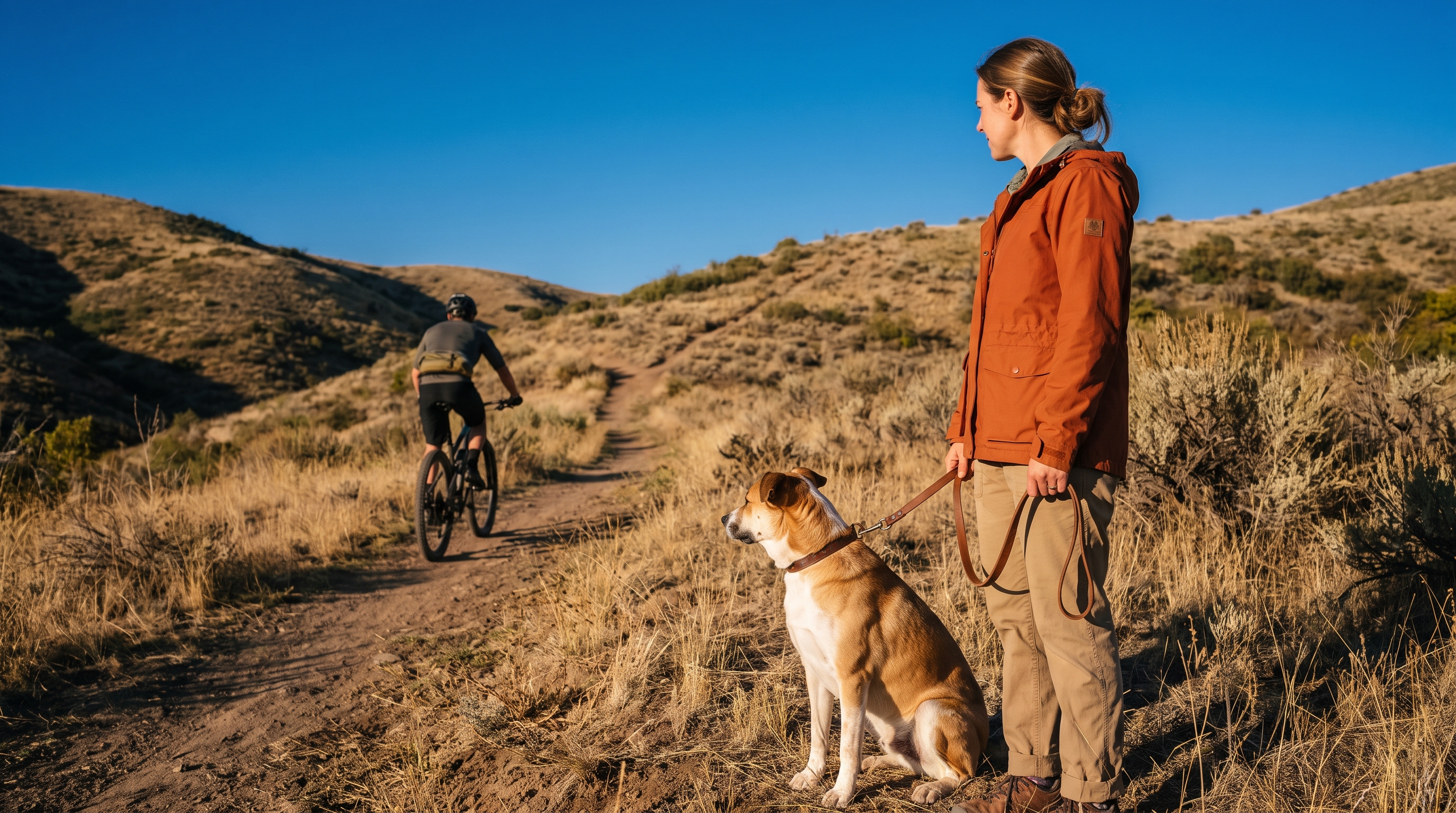
Forcing a reactive dog to approach or 'say hello' to the trigger usually pushes it straight into reaction, because the threshold was crossed before any learning could happen.
Working at a distance where the dog can still notice the trigger and stay calm keeps the nervous system below that threshold, which is where actual learning takes place.
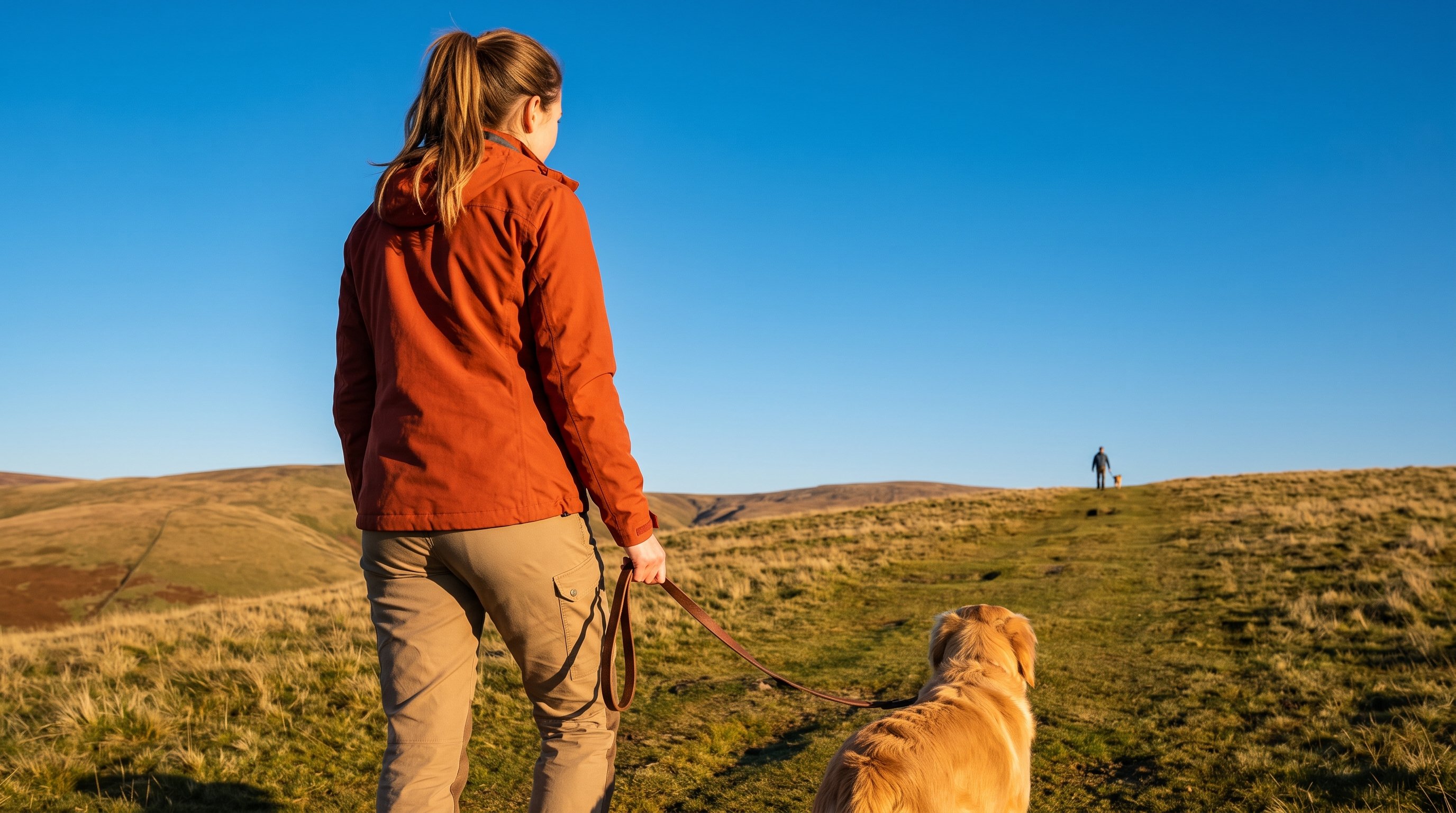
Over repeated sessions, the distance needed to stay calm tends to shrink, which is the real sign of progress, not a single good walk.
Fitting Reactive Dog Training Into a Full Week
Most households can't rearrange every walk around a dog's triggers, and that's fine. A few short, deliberate sessions a week count for more than trying to manage every single outing perfectly.
Quiet walking times, less busy routes and a treat pouch kept by the door make it easier to grab a useful session without extra planning.
Raising Dog lays out distance-based exercises by trigger type, so you're not guessing which exercise to use for a dog that reacts to other dogs versus one that reacts to strangers or traffic.
Adjusting the Plan for Different Dogs
The Newly Reactive Puppy
A young dog just starting to react to the world usually needs shorter exposures and more rewards for simply noticing something and staying loose-bodied. Catching it early often means smaller distances are needed over time.
The Busy Owner
A five-minute driveway session before work can do more than a rushed walk past three triggers. Consistency across the week matters more than session length.
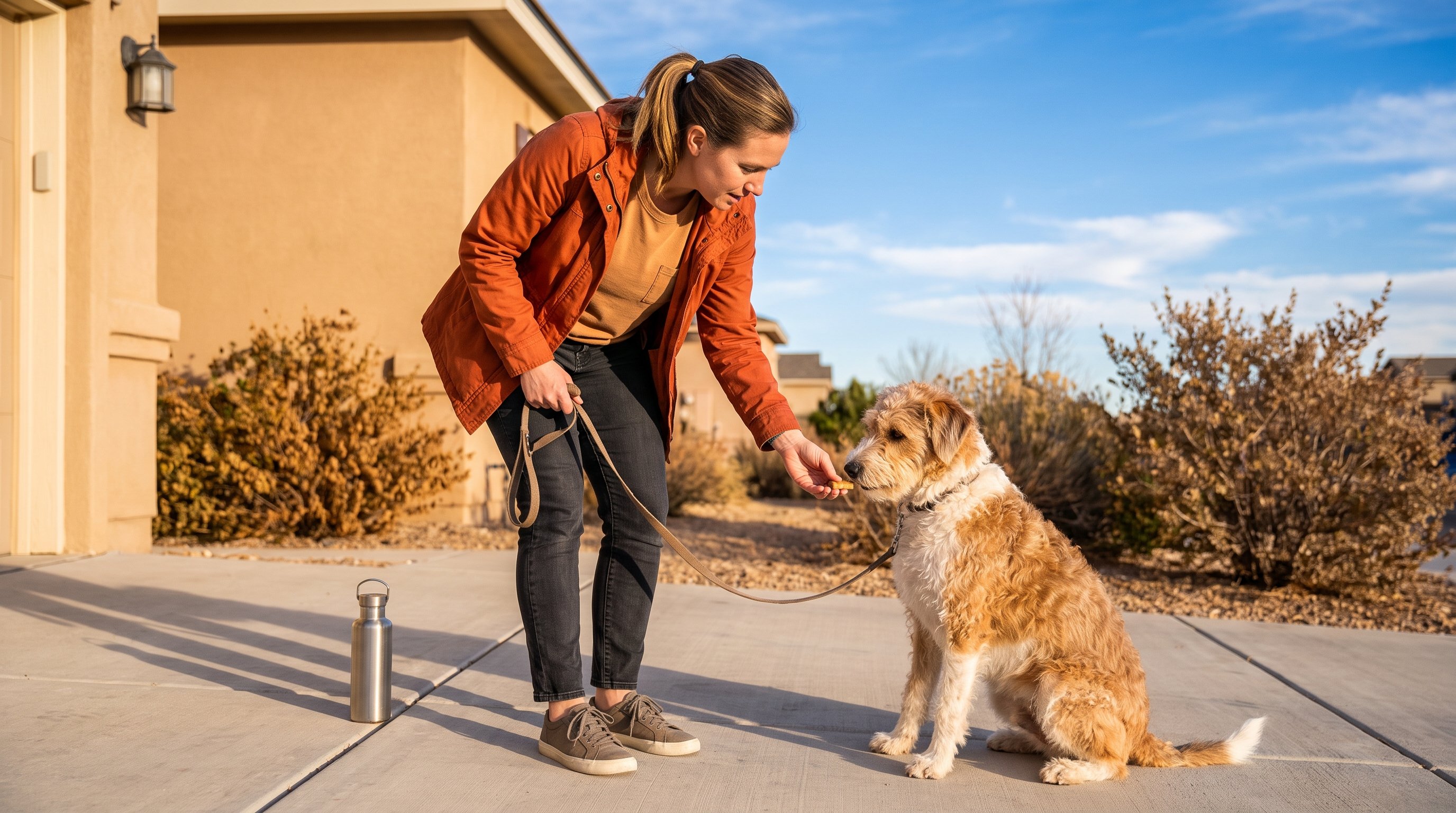
The Older Dog With Years of Practice Reacting
A dog that has rehearsed barking and lunging for years will likely need more sessions at a greater starting distance before closing in. Patience with the pace matters more here than anywhere else.
The Multi-Trigger Dog
A dog reactive to several things at once does better working on one trigger type per session rather than mixing them. Separating triggers keeps each session clear enough for the dog to actually learn from it.
When Reactive Behaviour Usually Starts to Ease
Progress with a reactive dog tends to show up gradually, as shorter recovery times after seeing a trigger, rather than as one dramatic turning point.
Expect some walks to go better than others even once things are improving. Setbacks after a stressful week or a surprise trigger don't erase the progress already made, they're just part of how this kind of learning works.
Working Through Reactive Dog Training With Raising Dog
Generic reactive-dog advice tends to assume one type of trigger and one type of dog, which is part of why it so often stalls out.
A dog reactive to skateboards needs a different starting distance and pace than one reactive to other dogs or strangers at the door.
Raising Dog builds lessons around your dog's age and specific behaviour challenges, so the exercises match what's actually happening on your walks rather than a generic script. The app's progress tracking also makes it easier to see whether the distance needed to stay calm is actually shrinking week to week.
Raise A Happy Dog
Train Your Dog Right
Starting Your Next Walk at the Right Distance
The next walk is a good place to start: pick a distance from the usual trigger where the dog can still take treats and look at you, and work from there.
Raising Dog can help structure that first session and the ones after it, so the plan adjusts as the dog's distance threshold changes rather than staying fixed.
FAQ
Many reactive dogs do become noticeably calmer with consistent, gradual exposure work, though the pace varies a lot by dog and trigger history. The goal is usually a dog that can notice a trigger and recover quickly, not one that never reacts at all.
Avoidance can reduce stress in the short term, but it doesn't change how the dog responds when a trigger does appear unexpectedly. Some planned, controlled exposure is usually what actually shifts the underlying response.
Early morning or late evening walks often have fewer triggers around, and even a driveway or garden session without any trigger present still builds useful focus skills. Distance can also be created by crossing the street or stepping behind a parked car rather than needing an empty field.
It depends on what sets the dog off, how far away it starts to react, and how quickly it recovers afterward, which is why a generic list often falls short. Raising Dog breaks exercises down by the dog's age and behaviour challenges, which makes it easier to match the right starting point to the right trigger.
Share this post